


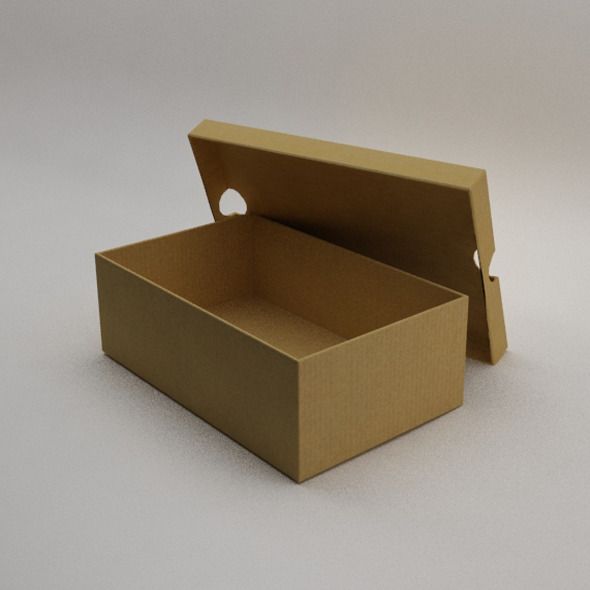
A pair of shoes is rarely just a pair of shoes. For the buyer, it might be a first pair of running trainers, a wedding shoe, or a gift for someone special. For the seller, it is a product that has to travel, sit on a shelf, and still arrive looking new. The shoe box connects all of these moments. It is the first thing the customer touches, and it often decides whether the purchase feels ordinary or memorable.
This article explains how custom shoe boxes move beyond simple storage and become part of the brand, what to look for when sourcing them, and how businesses can buy sensibly in bulk.
The Shoe Box Has Changed Roles
For decades, a shoe box was a plain rectangle designed to hold two shoes and a sheet of tissue. Its job was storage and nothing more. Today, shoppers expect more. Online retail has made packaging a visible part of the product. People open boxes on camera, compare brands, and notice details such as the finish, the fit of the lid, and whether the shoes are wrapped with care.
A custom shoe box gives a brand control over that experience. It can carry a logo, a color palette, care instructions, or a short message, and it can be sized precisely to the footwear it holds.
How Custom Shoe Boxes Improve the Customer Experience
- Protection during transit. Shoes have structure to protect them, from the toe box to the heel counter. A box that is too loose lets the pair shift and crush, while a well-fitted one keeps its shape. Sturdy walls, reinforced corners, and clean folds all reduce damage-related returns.
- A stronger first impression. Customers judge quality quickly. A crisp print, a smooth closure, and an interior that feels considered signal that the brand pays attention to detail. This matters most for premium and gift purchases.
- Brand recall. A consistent box design helps customers recognize you on a shelf, in a delivery pile, or on social media. Over time, the box becomes as familiar as the logo.
- Reuse and storage value. Shoppers often keep good boxes to store shoes, especially formal or seasonal pairs. A box that is practical to reuse keeps your name in the customer’s home for years.
- Useful information. The box can list the size, style, color code, and care tips. This helps both customers and store staff, and it reduces mix-ups during stock checks.
Choosing Materials: Why Cardboard Remains the Practical Choice
Among the available options, cardboard stays popular for good reasons. It is light, printable, recyclable, and cost-effective at scale. Different grades suit different needs:
- Corrugated cardboard offers strong cushioning and suits shipping and heavier footwear.
- Kraft paperboard gives a natural, earthy look and appeals to eco-minded brands.
- Rigid or greyboard cardboard feels premium and is often chosen for luxury or gift ranges.
- White SBS board takes color printing very well and suits detailed artwork.
Finishes such as matte or gloss lamination, spot UV, embossing, or foil stamping can be layered on, though restraint usually looks better than excess.
Quick Reference: Common Shoe Box Options
| Product | Best For | Typical Material | Key Benefit |
| Standard lid-and-base box | Everyday footwear retail | Paperboard or light corrugated | Familiar, easy to stack and store |
| Corrugated mailer box | E-commerce shipping | Corrugated cardboard | Strong protection in transit |
| Magnetic closure box | Premium and gift shoes | Rigid greyboard | Polished, reusable presentation |
| Drawer-style box | Boutique and designer lines | Rigid or coated paperboard | Smooth reveal and shelf appeal |
| Window shoe box | Retail display | Paperboard with clear film | Customers see the product unopened |
| Kids’ footwear box | Children’s shoes | Printed paperboard | Bright design and lightweight handling |
Buying in Bulk: What to Know About Cardboard Shoe Box
For retailers and growing brands, cost per unit matters as much as design. Sourcing cardboard shoe boxes wholesale usually lowers the price per box, since setup and printing costs are spread over a larger run. Bulk buying also keeps your packaging consistent across seasons.
Before placing an order, keep these points in mind:
- Get exact dimensions. Measure your largest and smallest shoe sizes, including any padding, and confirm whether a single box size can cover the range.
- Ask about minimum order quantities. These vary between suppliers and can affect your budget.
- Request a physical sample. Test the strength, fit, and print quality before approving a full run.
- Check lead times. Custom printing and finishing can take longer than stock boxes, so plan around your sales calendar.
- Confirm material specifications. Ask for the board thickness (often measured in GSM or caliper) and whether the paper is recycled or certified.
- Plan storage space. Flat-packed boxes save room, but large orders still need a dry place to sit.
For businesses that want a single source for design and production, a provider such as The Premier Packaging can help with custom sizing, printing, and finishing, though it is wise to compare quotes and samples from several suppliers before deciding.
Designing a Box Customers Remember
Good design does not need to be loud. These principles tend to work well:
- Start with the brand story. Is your label sporty, classic, playful, or luxurious? The box should match.
- Keep the layout clean. A clear logo and one or two colors often leave a stronger impression than crowded artwork.
- Think about the inside. Printed interiors, tissue paper, or a branded sticker seal add a small surprise at low cost.
- Test the closure. A lid that fits snugly yet is easy to open feels better in the hand.
- Print accurately. Colors can shift between screen and paper, so approve a printed proof.
Sustainability and the Customer
Many shoppers now prefer brands that reduce waste. Choosing recycled or FSC-certified board, water-based inks, and plastic-free finishes is a practical step. Right-sizing the box also helps, since oversized packaging wastes material and increases shipping costs. If you promote your sustainability, be specific about what you use rather than relying on general claims.
Final Thoughts
A shoe box has moved far beyond storage. It protects the product, introduces the brand, and shapes how the customer feels about the purchase before the shoes are even tried on. By choosing the right material, a thoughtful design, and a sensible bulk-buying plan, businesses can turn a routine container into a real part of the customer experience.