



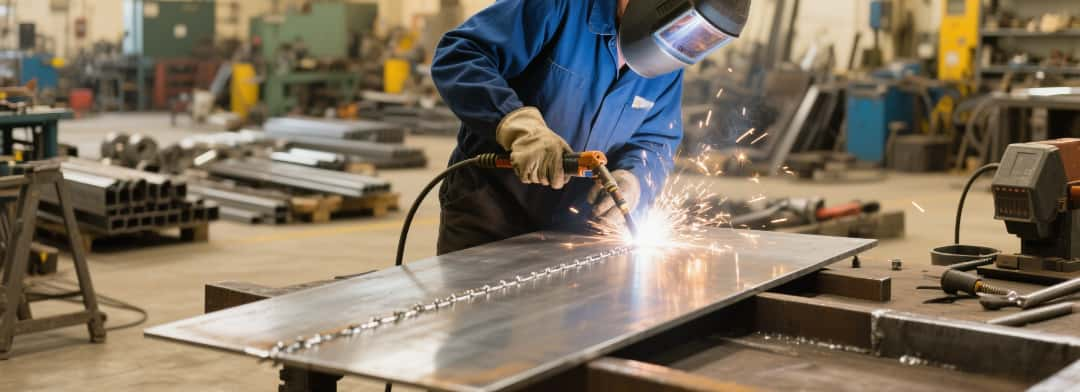
A thin metal sheet can be surprisingly difficult to repair or join correctly. Too much heat may cause it to burn through or become distorted, while poor preparation can leave weak joints that fail during regular use. Sheet metal is found in countless products, including ventilation ducts, vehicle panels, storage cabinets, industrial enclosures, roofing components, and equipment covers. Joining these materials requires careful control and an understanding of how different metals respond to heat. Metal sheet welding provides a way to connect separate pieces and create useful structures, but the quality of the finished result depends on choosing the right process and handling the material properly.
Understanding Sheet Metal Welding
Sheet metal welding involves joining relatively thin metal pieces through a controlled welding process. Unlike heavy steel plates, thin sheets can heat up quickly and lose their original shape if the temperature is not managed properly. The process may be used to manufacture new products, repair damaged panels, or modify existing metal components. Metal sheet welding requires attention to sheet thickness, joint design, material type, and the intended application. Before work begins, the metal should be measured, cleaned, and positioned correctly. These preparation steps help create a stable working surface and reduce the risk of defects.
Selecting the Right Welding Method
Different welding methods are suitable for different sheet metal applications. TIG welding is often selected for thin materials because it provides precise control over heat and the welding arc. MIG welding can also be effective for sheet metal when the correct wire, settings, and technique are used. Resistance spot welding is common in manufacturing environments where overlapping metal sheets need to be joined at specific points. Metal sheet welding in Stafford should always use a process that matches the material thickness and project requirements. Choosing an unsuitable method can lead to burn-through, excessive spatter, weak connections, or unnecessary distortion.
Preparing Metal Sheets Before Welding
Proper preparation has a direct effect on the strength and appearance of a finished weld. Oil, grease, rust, paint, and dirt can interfere with the welding process and create unwanted defects. The surfaces should be cleaned using methods suitable for the metal, while sharp edges and uneven sections should be addressed before assembly. The sheets must also be aligned and secured so they do not move during welding. For metal sheet welding, even small gaps or alignment errors can affect the final joint. Taking time to prepare the material can reduce rework and make it easier to achieve consistent results.
Managing Heat to Prevent Sheet Distortion
Thin metal sheets are sensitive to heat because they can expand, contract, and change shape during welding. Applying too much heat in one area may cause warping, holes, or uneven surfaces. Welders can manage this risk by selecting appropriate settings, controlling travel speed, and using suitable welding sequences. Tack welds may help hold the sheets in position before the full joint is completed. Metal sheet welding often benefits from short, controlled weld sections rather than applying continuous heat without considering the material. The correct technique depends on the metal type, sheet thickness, joint design, and equipment being used.
Common Applications in Manufacturing
Sheet metal is used in many manufactured products because it can be cut, bent, and formed into different shapes. Equipment enclosures, electrical cabinets, storage units, machine covers, ventilation systems, and vehicle body components are common examples. Manufacturers use welding to connect panels and create assemblies that need to maintain their shape during use. Metal sheet welding can also be used when producing custom parts for specialized equipment or industrial applications. Accurate joints are important because poorly fitted panels may affect product appearance, alignment, or performance. Consistent fabrication methods help manufacturers produce components that meet their required dimensions.
Repairing Damaged Sheet Metal Components
Sheet metal can develop cracks, holes, loose joints, and damaged edges after repeated use or accidental impact. These problems may appear in vehicle panels, metal cabinets, ductwork, machinery covers, and other equipment. Depending on the extent of the damage, a repair may involve filling a small opening, replacing a section, or joining a new piece of metal to the existing panel. Metal sheet welding can restore certain damaged components when the material remains suitable for repair. Before beginning, the affected area should be inspected to identify the full extent of the damage and determine whether welding is the appropriate solution.
Choosing Suitable Filler Materials
Some welding projects require filler material to create a strong connection between metal sheets. The filler wire or rod should be compatible with the base metal and suitable for the welding process. Using the wrong material may contribute to cracking, poor bonding, or corrosion problems. Aluminum, stainless steel, and mild steel each have different welding requirements, so the filler selection must match the specific application. Metal sheet welding also requires attention to filler size because excessive material can create bulky joints and unnecessary finishing work. Proper material selection supports a cleaner weld and helps the finished component perform as expected.
Inspecting the Finished Weld
A completed weld should be checked before the fabricated product is put into service. A visual inspection can reveal surface cracks, holes, excessive spatter, uneven bead patterns, or incomplete sections. Depending on the project’s purpose, additional inspection methods may be required to assess the quality of the joint. Metal sheet welding should produce connections that meet the specified requirements for strength, appearance, and function. In applications involving pressure, structural loads, or safety-related equipment, inspection should follow the relevant technical standards. Checking the work carefully helps identify problems before they affect the finished product.
Maintaining Welded Sheet Metal Products
Even well-fabricated sheet metal products need proper care during their service life. Moisture, chemicals, vibration, and repeated movement can affect the material and its welded connections. Regular inspections help identify early signs of rust, cracks, loose fittings, or surface damage. Protective coatings may be needed to reduce corrosion, especially when products are installed outdoors or used in demanding industrial environments. Metal sheet welding can create useful and durable products, but long-term performance also depends on material quality, suitable finishing, and proper maintenance. Taking care of welded components helps preserve their condition and reduce the need for avoidable repairs.