

If you’re lucky enough to have a working fireplace in Winston Salem, you know how comforting it can be during the cooler months. But behind the cozy glow and crackling fire is a part of your chimney system that often gets ignored—the chimney liner.
This hidden component might not look like much, but it plays a huge role in keeping your home safe and energy-efficient. Unfortunately, when chimney liners start to fail, the signs aren’t always obvious. Let’s break it all down: what chimney liners do, how to know when something’s wrong, and why addressing these issues early can save you from bigger headaches down the road with your Chimney Liner in Winston Salem.
What Does a Chimney Liner Actually Do?
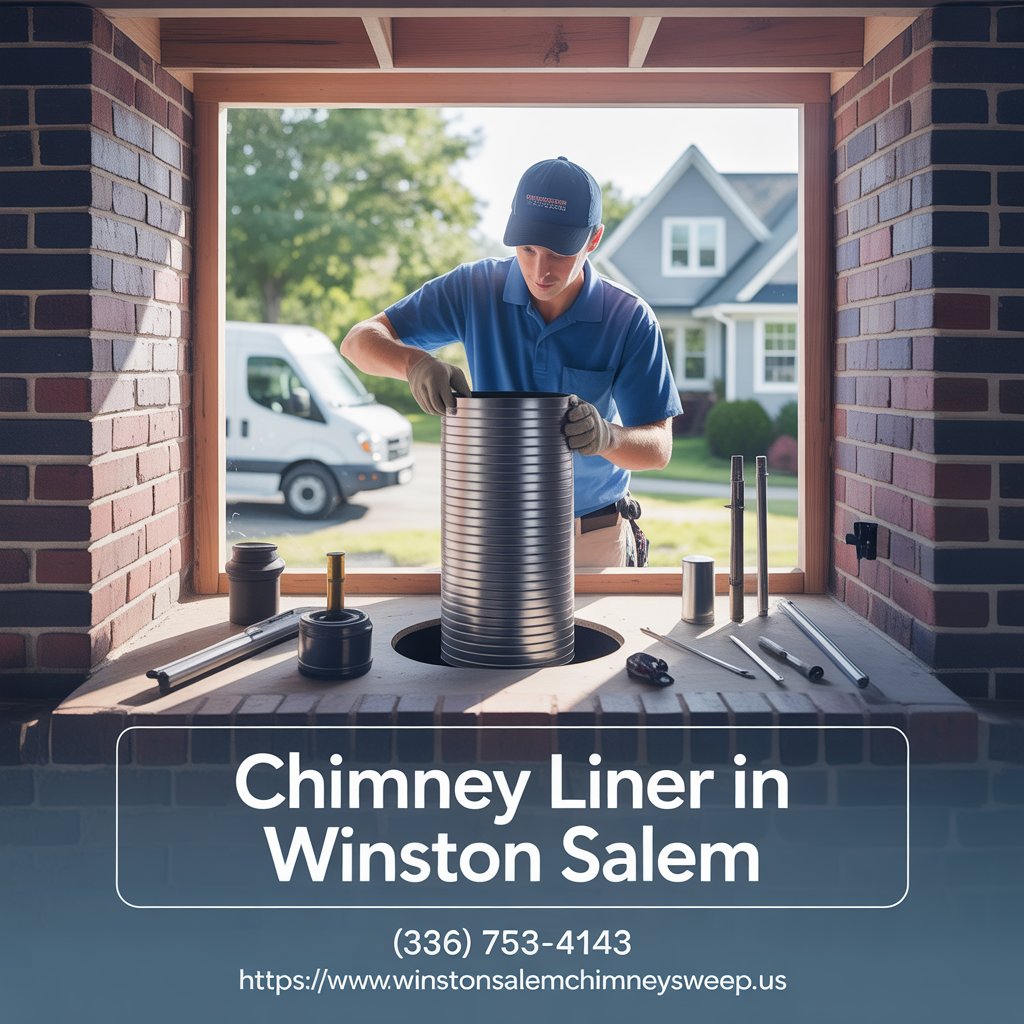
You might think a chimney is just a brick shaft that vents smoke, but there’s more going on in there. A chimney liner is a barrier that lines the inside of the flue, guiding smoke and gases safely up and out of your home. Here’s why it matters:
- Fire safety – It keeps high heat and flames from reaching nearby combustible materials, like wood framing.
- Efficient venting – It improves airflow, which helps your fire burn more cleanly and efficiently.
- Damage prevention – It protects the chimney structure from acids, moisture, and creosote buildup.
If your liner is damaged or missing altogether, the risk of chimney fires, carbon monoxide leaks, and expensive repairs goes up fast. And that’s why regular inspections—and knowing what to look for—are so important.
Warning Signs of Chimney Liner Trouble
Think of your chimney liner like a seatbelt. You don’t notice it until something goes wrong—and by then, it’s probably too late. Watch for these red flags that could mean your liner is starting to fail:
1. Smoke Coming Into the Room
Smoke drifting into your living space is never a good sign. If it happens when your fireplace is in use, it could mean the liner has cracks or blockages that are disrupting the airflow.
2. Strange Odors
A damaged liner may allow creosote and soot to seep into the walls or interior of your home. If you smell something sour or smoky—even when the fireplace isn’t in use—it’s time to have your chimney checked.
3. Loose Debris or Flakes in the Firebox
Noticed little bits of tile, clay, or flakes collecting at the bottom of your fireplace? Those might be pieces of your liner breaking apart, especially if you have an older clay liner.
4. Moisture Stains or Peeling Paint Near Your Chimney
Water leaking into your chimney can damage your liner, and a failing liner can also let moisture leak into the home. If you see damp spots, blistered paint, or warped drywall near your chimney, don’t ignore it.
5. Trouble Starting or Keeping a Fire Lit
If your fire doesn’t burn as strong as it used to, or if it keeps going out, your liner might be clogged or deteriorated, which restricts airflow and affects how your fireplace operates.
Why Fixing a Chimney Liner Problem Is Worth It
When it comes to home maintenance, chimney liner repairs may not sound urgent—but waiting can cost you in the long run. Here’s a quick breakdown of how condition, safety, cost, and performance all go hand-in-hand:
| Liner Condition | Safety Risk | Cost Impact | Heating Efficiency |
| Well-maintained liner | Low | Low (routine inspection) | High |
| Minor cracks or erosion | Moderate | Medium (partial repairs) | Medium |
| Severe damage or no liner | High (fire, CO exposure) | High (full replacement) | Low |
The bottom line? Addressing chimney liner issues early on can help you avoid dangerous situations—and help you save on energy bills and costly structural repairs down the road.
Liner Options If Replacement Is Needed
If your chimney liners is beyond a quick patch job, you may need to replace it. Fortunately, there are several options available depending on your chimney’s condition, fireplace type, and budget.
Clay Tile Liners
Common in older homes, they’re cost-effective but prone to cracking over time and hard to repair.
Stainless Steel Liners
Durable and long-lasting, these are a popular upgrade, especially for homeowners who want a more modern and efficient liner. Bonus: they work well with wood, gas, and oil-burning appliances.
Cast-in-Place Liners
A cement-like liner that gets poured in to create a seamless, insulated flue. Great for restoring older, damaged chimneys.
If safety and cost are top of mind—and they should be—talk to a certified chimney specialist in Winston Salem to find the most practical and budget-friendly solution for your home.
One Expert’s Take
“Your chimney liner is kind of like the brakes on your car—when it works, you don’t think about it. But when it fails, the consequences can be huge,” says a local chimney inspector. “In Winston Salem, we see all kinds of weather—from damp winters to hot summers—that wear liners down faster than people expect.”
This quote is a reminder that chimney liners aren’t just a northern cold-weather concern. Even in milder climates like North Carolina, liners take a beating from heat, moisture, and time.
Best Time to Schedule an Inspection
Fall is peak fireplace season, which makes late summer or early autumn the perfect time to get your chimney checked out. Certified chimney sweeps aren’t just looking for soot—they’re trained to spot liner damage, moisture entry points, and other issues before they become costly.
Annual inspections are highly recommended, especially if:
- You use your fireplace regularly
- You’ve just moved into an older home
- You’ve had any water damage near your chimney
Final Thoughts: Don’t Overlook the Liner
It’s easy to forget about what you can’t see—but when it comes to chimney liners, ignoring the problem can lead to serious safety and financial risks. Cracks, wear, moisture, and poor airflow all point to the same thing: your chimney needs some attention.
If you’re unsure about your chimney’s condition, book an inspection sooner rather than later. A small fix now could prevent a major repair (or worse) later on.
Protect your home, your loved ones, and your peace of mind by making sure your Chimney Liner in Winston Salem is in top shape year-round.
Read More: Chimney Sweep