




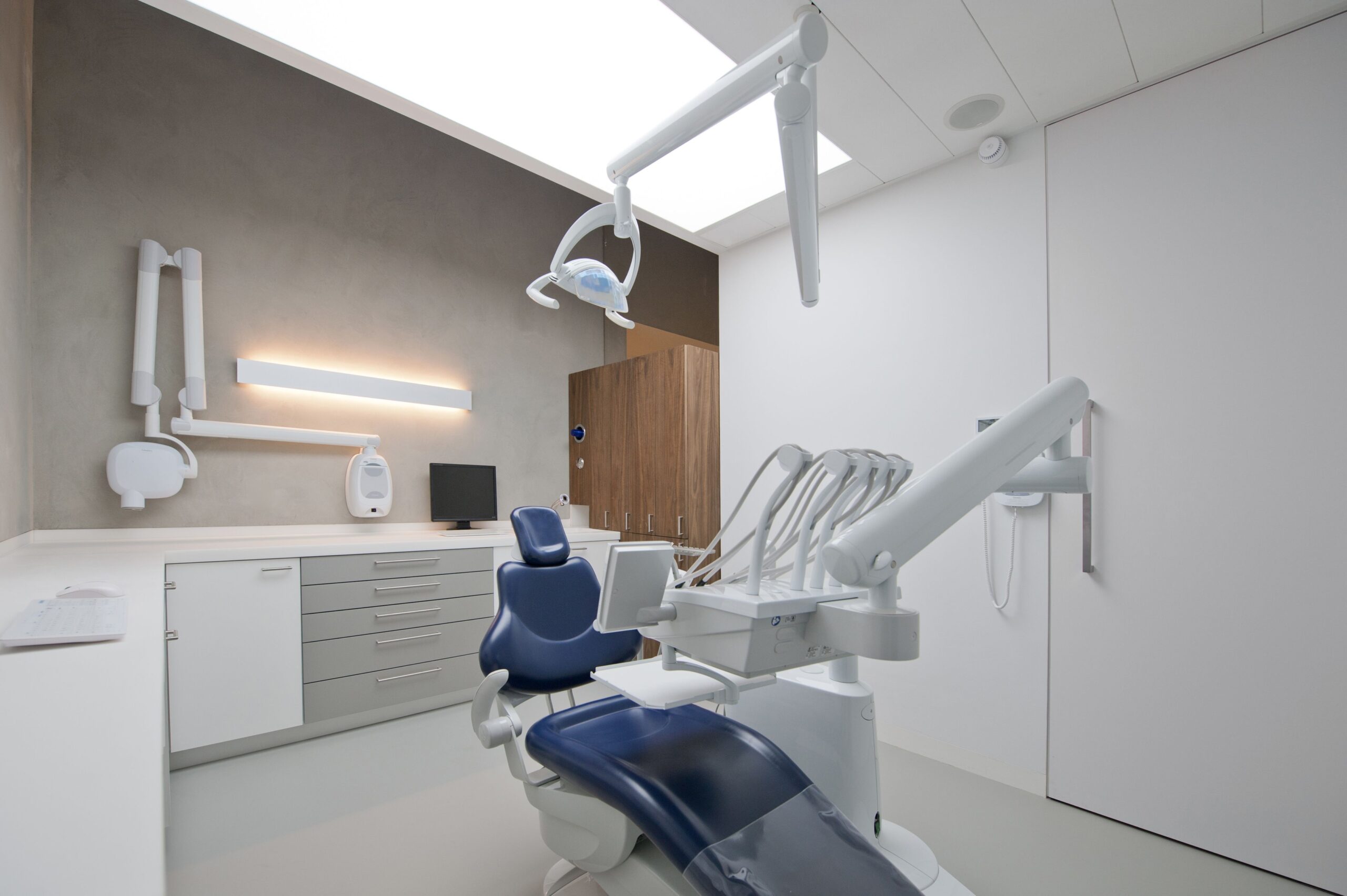
Dental emergencies can occur without warning, whether you experience sudden tooth pain, damage to a tooth, or unexpected swelling. Finding the Best Emergency Dentist Near me in Calgary is important when you need prompt professional attention to protect your teeth and prevent further complications. Knowing where to seek help and what to do before your appointment can make a stressful situation easier to manage.
Olympic Park Smiles Dental is a dental practice you can contact to ask about urgent dental appointments and available treatment options. Understanding different types of dental emergencies can also help you recognize when professional care is necessary.
Why Is Emergency Dental Care Important?
Ignoring a dental emergency can allow an existing problem to become more complicated. For example, untreated tooth decay may progress into an infection, while a damaged tooth may become more vulnerable to further breakage.
Prompt dental assessment can help:
- Identify the cause of sudden dental pain.
- Manage infections and inflammation.
- Protect damaged or injured teeth.
- Reduce the risk of additional complications.
- Determine whether a tooth can be saved.
- Provide guidance for appropriate follow-up care.
Not every dental concern requires immediate treatment, but severe pain, dental injuries, and suspected infections should be assessed promptly.
Five Dental Problems That May Require Emergency Attention
1. Sudden and Severe Tooth Pain
Severe tooth pain can develop because of deep cavities, damaged restorations, cracked teeth, or inflammation inside the tooth.
Pain that continues or becomes worse should not be ignored. A dentist can examine the affected area and determine whether treatment such as a filling, root canal therapy, or another procedure is needed.
2. Dental Trauma During Sports or Accidents
Accidents during sports, falls, or other physical activities can damage or displace teeth.
If a permanent tooth is knocked out, time is particularly important. Hold the tooth by its crown, gently rinse it if dirty, and try to place it back into its socket without forcing it. If this is not possible, keep it in milk or a tooth-preservation solution and seek immediate dental care.
Do not attempt to replant a knocked-out baby tooth.
3. Swollen Gums and Facial Discomfort
Swelling around a tooth or gum may indicate an infection or dental abscess.
Other symptoms can include tenderness, throbbing pain, fever, and an unpleasant taste in the mouth. These symptoms require urgent professional assessment because dental infections can spread.
If swelling spreads rapidly or causes difficulty breathing or swallowing, seek emergency medical attention immediately.
4. Broken Dental Restorations
A damaged filling, loose crown, or broken dental restoration can expose sensitive tooth structures.
Until you receive professional advice, avoid chewing on the affected side and keep the area clean. Save any displaced crown or restoration if possible. Never use household glue to reattach it.
5. Cracked or Fractured Teeth
Cracks may develop after biting hard foods, an accident, or repeated pressure from teeth grinding.
Some cracks are difficult to see without a dental examination. If you experience pain while chewing or sensitivity when eating, arrange an assessment. Early treatment may help prevent further damage.
How Can You Manage a Dental Emergency Before Your Appointment?
Taking sensible steps before reaching a dentist can help protect the affected area.
Here are some practical recommendations:
- For toothaches: Rinse gently with warm water and carefully floss to remove trapped food.
- For swelling: Apply a cold compress externally to the affected area.
- For bleeding: Apply gentle pressure with clean gauze.
- For broken teeth: Save any fragments and avoid chewing on that side.
- For knocked-out permanent teeth: Keep the tooth moist and seek immediate dental care.
- For lost crowns: Keep the restoration safe and contact your dental office for instructions.
Avoid applying aspirin directly to the gums or using unapproved substances on injured teeth.
What Treatments May Be Recommended?
Emergency dental treatment depends on the cause and severity of the problem. After examining your teeth and gums, the dentist may recommend one of several options.
Dental Fillings: A filling may repair a cavity or minor tooth damage when enough healthy tooth structure remains.
Root Canal Therapy: If the pulp inside a tooth becomes infected or severely inflamed, root canal treatment may help preserve the natural tooth.
Dental Crowns: A crown may be recommended to protect a significantly weakened or damaged tooth.
Tooth Extraction: When a tooth cannot be restored or is causing serious complications, removal may be necessary.
Infection Management: A dental abscess may require drainage and treatment of its underlying source. Antibiotics may be prescribed in certain situations, but they do not replace necessary dental treatment.
How to Choose an Emergency Dentist in Calgary
When searching for urgent dental care, consider a few important factors before arranging an appointment.
Availability of Urgent Appointments
Ask whether the dental practice can accommodate urgent cases and how quickly an appointment may be available.
Range of Dental Treatments
A dental office that can assess different dental problems and discuss appropriate treatment options can make the process more straightforward.
Clear Communication
You should receive an explanation of your dental condition, recommended treatment, expected costs, and possible follow-up requirements.
Convenient Location
Choosing a dental practice that is accessible from your home or workplace can make it easier to attend urgent appointments and subsequent visits.
Emergency Instructions
A reliable dental office should be able to explain what to do while waiting for an appointment and when hospital-based emergency care is necessary.
Simple Habits to Reduce the Risk of Dental Emergencies
Although accidents cannot always be prevented, maintaining good oral health can reduce the likelihood of several common dental problems.
- Brush twice daily with fluoride toothpaste.
- Floss at least once a day.
- Schedule regular dental examinations.
- Avoid chewing ice and hard objects.
- Wear a mouthguard during contact sports.
- Address cavities before they become more extensive.
- Avoid using your teeth to open containers.
- Follow professional recommendations for damaged teeth and existing restorations.
Preventive dental care can help identify potential problems before they develop into urgent situations.
Contact Olympic Park Smiles Dental for Urgent Dental Care
Dental emergencies require attention, especially when pain, swelling, or an injury affects your daily routine. Understanding the warning signs and seeking professional assessment can help protect your natural teeth and support better oral health.
If you are looking for the Best Emergency Dentist Near me in Calgary, contact Olympic Park Smiles Dental to ask about urgent appointment availability and suitable treatment options. A dental examination can help identify the underlying issue and guide you toward the appropriate care.


