



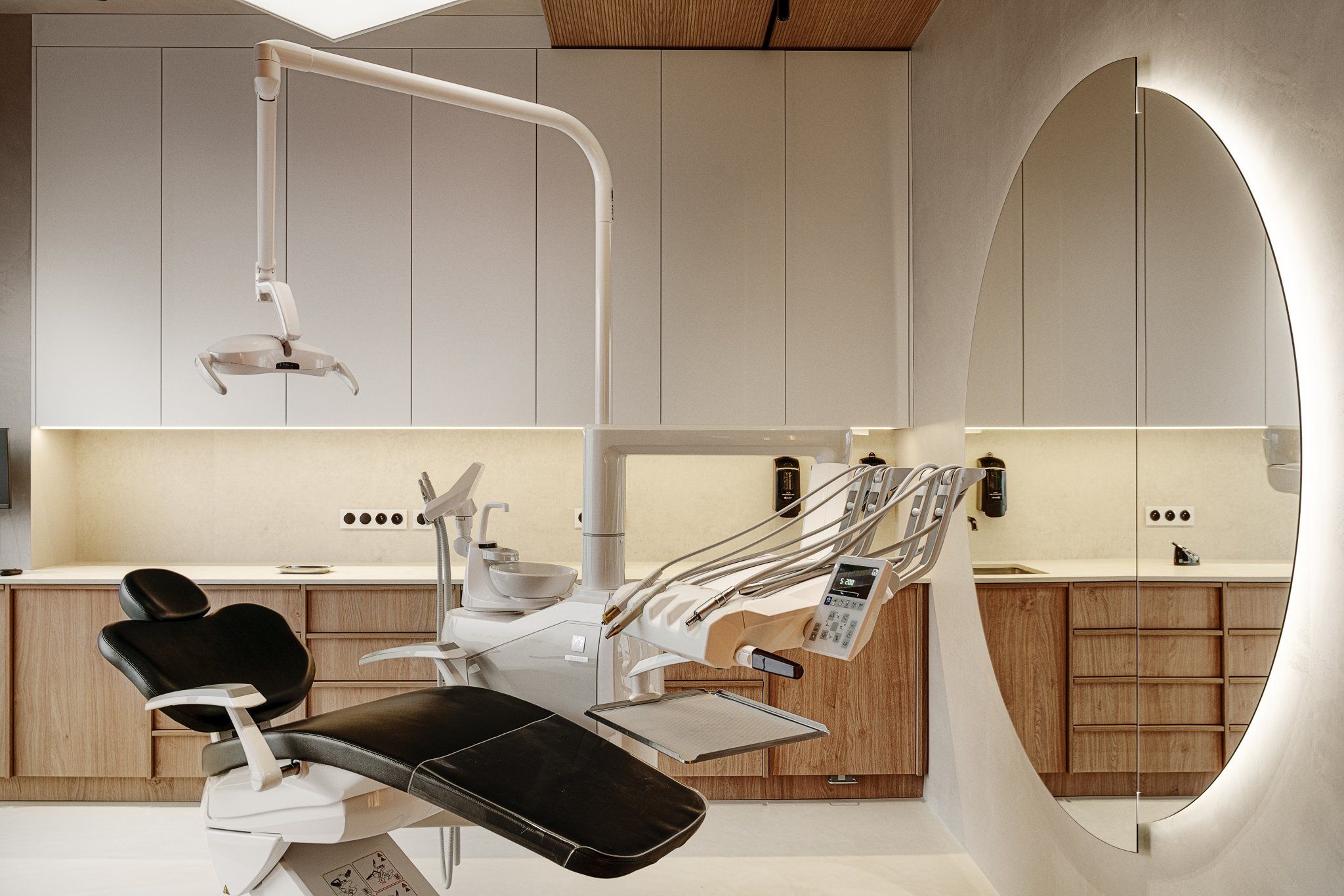
Finding the Best Digital Dental X-Rays in South Edmonton can help you make informed decisions about your oral health. While a visual dental examination can reveal many problems, some conditions develop beneath the surface or between teeth, where they are difficult to detect without imaging. Digital dental X-rays allow dental professionals to examine these hidden areas and identify potential concerns more accurately.
Heritage Valley Dental recognises the importance of modern diagnostic methods in preventive and restorative dental care. Digital imaging can provide valuable information about teeth, roots, jawbone structures, and surrounding tissues, helping dentists develop treatment recommendations based on individual needs.
What Are Digital Dental X-Rays?
Digital dental X-rays are diagnostic images created using electronic sensors instead of traditional photographic film. The sensor captures an image of the teeth and surrounding structures, which can then be viewed on a computer screen.
These images help dentists identify dental problems that may not be visible during a regular examination.
Digital X-rays can help detect:
- Cavities between teeth or beneath existing fillings.
- Infections around tooth roots.
- Bone loss associated with gum disease.
- Impacted or unerupted teeth.
- Changes in the jawbone.
- Problems involving dental restorations.
- Abnormalities that require further investigation.
The dentist uses the images alongside your examination and dental history to understand your oral health.
Benefits of Digital Dental X-Rays
Digital dental imaging offers several advantages for patients and dental professionals.
1. Quick Image Availability
Digital sensors capture images that can usually be viewed within seconds. This allows the dentist to review findings during the appointment and discuss possible next steps.
2. Reduced Radiation Exposure
Digital dental X-rays generally require less radiation than conventional film-based dental X-rays. However, exposure still occurs, so imaging should only be recommended when clinically appropriate.
3. Detailed Image Review
Digital images can be enlarged and adjusted for contrast, making it easier for dental professionals to examine specific areas of concern.
4. Better Treatment Planning
X-rays provide information about tooth roots, bone levels, and structures that cannot be fully assessed through a visual examination. This information can support decisions about fillings, root canal treatment, extractions, and other dental procedures.
5. Convenient Digital Storage
Images can be stored electronically as part of a patient’s dental record. This makes it easier for dental professionals to review previous images and compare changes over time when needed.
Different Types of Digital Dental X-Rays
Not every patient requires the same type of dental imaging. The dentist recommends an X-ray based on the patient’s symptoms, dental history, and treatment requirements.
1. Bitewing X-Rays
Bitewing images show the upper and lower back teeth in a way that helps dentists identify cavities between teeth. They can also help assess bone levels around the teeth.
2. Periapical X-Rays
These images capture an entire tooth, including its root and the surrounding bone. They are useful for investigating root infections, dental injuries, and other problems affecting individual teeth.
3. Panoramic X-Rays
A panoramic X-ray captures a broad view of the upper and lower jaws, teeth, and surrounding structures. It may be used when evaluating wisdom teeth, jaw conditions, or certain treatment needs.
4. Occlusal X-Rays
Occlusal images show a larger section of the dental arch. They may be useful for examining tooth development, impacted teeth, or other conditions involving the upper or lower jaw.
5. Cone Beam CT Imaging
Cone Beam Computed Tomography (CBCT) provides three-dimensional images of dental and facial structures. It may be recommended for selected cases, such as complex implant planning or evaluating certain impacted teeth. It is not required for routine dental examinations.
When Do You Need Digital Dental X-Rays?
Digital dental X-rays are not necessarily required at every dental visit. Your dentist considers several factors before recommending imaging.
An X-ray may be appropriate when:
- You have persistent tooth pain or sensitivity.
- A cavity is suspected between neighbouring teeth.
- There are signs of gum disease or bone loss.
- A tooth has suffered an injury.
- Wisdom teeth need assessment.
- Root canal treatment or dental implant planning is being considered.
- The dentist needs to evaluate an existing dental restoration.
The frequency and type of imaging depend on your oral health, age, symptoms, and individual risk factors.
Are Digital Dental X-Rays Safe?
Dental X-rays use ionising radiation, but modern digital systems generally require relatively low exposure. Dental professionals follow radiation safety principles and recommend imaging only when the expected diagnostic benefit justifies it.
Protective measures and appropriate imaging techniques help minimise unnecessary exposure.
If you are pregnant, think you may be pregnant, or have specific medical concerns, inform your dental professional before imaging. Your dentist can assess the situation and determine the most appropriate approach.
Digital Dental X-Rays vs. Traditional Film X-Rays
Both digital and traditional film-based X-rays help dentists examine structures inside the mouth. However, their image capture and processing methods differ.
| Feature | Digital X-Rays | Traditional Film X-Rays | Image capture | Electronic sensor | Photographic film | Image availability | Usually immediate | Requires film processing | Radiation exposure | Generally lower | Generally higher | Image adjustment | Can be enlarged and enhanced | Limited adjustment | Storage | Electronic records | Physical film | Sharing | Convenient digital transfer | Requires physical or scanned copies |
|---|
Digital imaging offers convenience and efficient image review, although the most appropriate imaging method depends on the clinic’s equipment and the patient’s diagnostic needs.
What to Expect During a Digital Dental X-Ray Appointment
Digital dental X-rays are generally quick and straightforward.
1. Initial Assessment
The dentist reviews your dental history, symptoms, and examination findings to determine whether imaging is needed.
2. Sensor Placement
A small electronic sensor is positioned inside your mouth. You may be asked to bite gently on a holder to keep it in place.
3. Image Capture
The dental professional positions the X-ray equipment and captures the required images. You may need to change positions depending on the number and type of images required.
4. Image Review
The digital images appear on a computer screen, allowing the dentist to examine the teeth and surrounding structures.
5. Treatment Discussion
Your dentist explains the findings and discusses whether any additional examination or treatment is recommended.
Choose Heritage Valley Dental for Diagnostic Dental Care
Accurate diagnosis is an important part of maintaining good oral health. Digital dental imaging can help identify hidden problems, monitor existing conditions, and support appropriate treatment planning.
When considering the Best Digital Dental X-Rays in South Edmonton, look for a dental clinic that prioritises patient safety, appropriate imaging recommendations, and clear communication.
Heritage Valley Dental can be contacted to discuss your dental concerns and learn about available diagnostic imaging options. Your dentist can determine whether digital X-rays are appropriate based on your individual needs.
Schedule Your Dental Visit in South Edmonton
Some dental problems cannot be identified through a visual examination alone. Digital dental X-rays provide additional information that can help your dentist evaluate your teeth, roots, and surrounding bone structures.
If you are looking for the Best Digital Dental X-Rays in South Edmonton, contact Heritage Valley Dental to discuss your oral health concerns and arrange an examination. Timely assessment and appropriate diagnostic imaging can help you take informed steps toward maintaining a healthy smile.