



When homeowners consider improving their outdoor space, fencing is often an important part of the project. A well-designed fence can define property boundaries, improve the appearance of a yard, create a sense of security, and provide a finished look to the overall landscape. However, choosing the right fencing material requires more than comparing the initial purchase price.
Aluminum fencing is often considered a long-term option because it combines durability, corrosion resistance, attractive designs, and relatively low maintenance. For homeowners in Columbus, Ohio, these characteristics can be particularly useful because outdoor structures must handle changing weather conditions throughout the year.
But is an aluminum fence Columbus Ohio homeowners can install really worth the cost? The answer depends on the property’s needs, the selected product, installation quality, and how the homeowner evaluates long-term value.
What Makes Aluminum Fencing a Long-Term Option?
Aluminum is a lightweight metal that has become popular for residential and commercial fencing applications. It can be manufactured into a variety of styles, from simple picket fences to decorative ornamental designs.
One of its most important characteristics is its resistance to rust. Aluminum naturally develops a thin oxide layer when exposed to oxygen, which helps protect the metal from further corrosion. This makes it useful for outdoor environments where fences are regularly exposed to moisture.
Unlike wood, aluminum does not rot. It also does not require the same type of regular staining and sealing that many wooden fences need.
These characteristics can make aluminum attractive to homeowners who are thinking about the total cost of owning a fence rather than simply the price paid at installation.
Is the Initial Cost Higher Than Other Materials?
The initial cost of an aluminum fence can be higher than some basic fencing options, particularly when compared with inexpensive wood fencing.
However, the final cost depends on several factors. Fence length, height, design, finish, gate configuration, property terrain, installation requirements, and product quality can all influence the price.
A simple aluminum fence may have a different price from a highly decorative system with customized gates and ornamental features.
Instead of asking only, “How much does the fence cost?” homeowners should consider the broader question: “What will this fence cost to own over its useful life?”
A lower-priced fence may require more frequent painting, staining, repairs, or replacement of deteriorated sections. A more durable material may have a higher initial price but require less ongoing work.
How Does Aluminum Save on Maintenance?
Maintenance is one of the strongest arguments for considering aluminum fencing.
Wood fencing can require regular staining or sealing to help protect it from moisture and weathering. Over time, individual boards may also warp, crack, rot, or require replacement.
Aluminum does not experience these particular problems. Its resistance to rust and rot means homeowners can generally spend less time on routine maintenance.
This does not mean an aluminum fence can simply be installed and forgotten. Regular cleaning and inspections are still useful.
Dirt, leaves, mud, and other outdoor debris can accumulate on the fence. Gates may require occasional adjustment, and hardware should be checked periodically.
Basic care can help preserve both the appearance and function of the fence without requiring extensive seasonal maintenance.
How Does Columbus Weather Affect Long-Term Value?
Weather is an important consideration for any outdoor improvement.
Columbus experiences hot summers, cold winters, rainfall, humidity, snow, and changing temperatures throughout the year. These conditions can affect fencing materials differently.
Aluminum’s corrosion resistance is an advantage in wet conditions. Rain and humidity do not cause conventional iron rust on aluminum.
Winter also deserves attention. Freezing and thawing can cause changes in the soil surrounding fence posts. If posts are poorly installed, movement in the ground can contribute to leaning or alignment issues.
For this reason, proper installation is an important part of long-term value. Even a durable material can perform poorly if it is not installed correctly for the property’s soil, slope, drainage, and conditions.
Can an Aluminum Fence Improve Property Appearance?
A fence is highly visible, especially when installed along a front yard or property boundary.
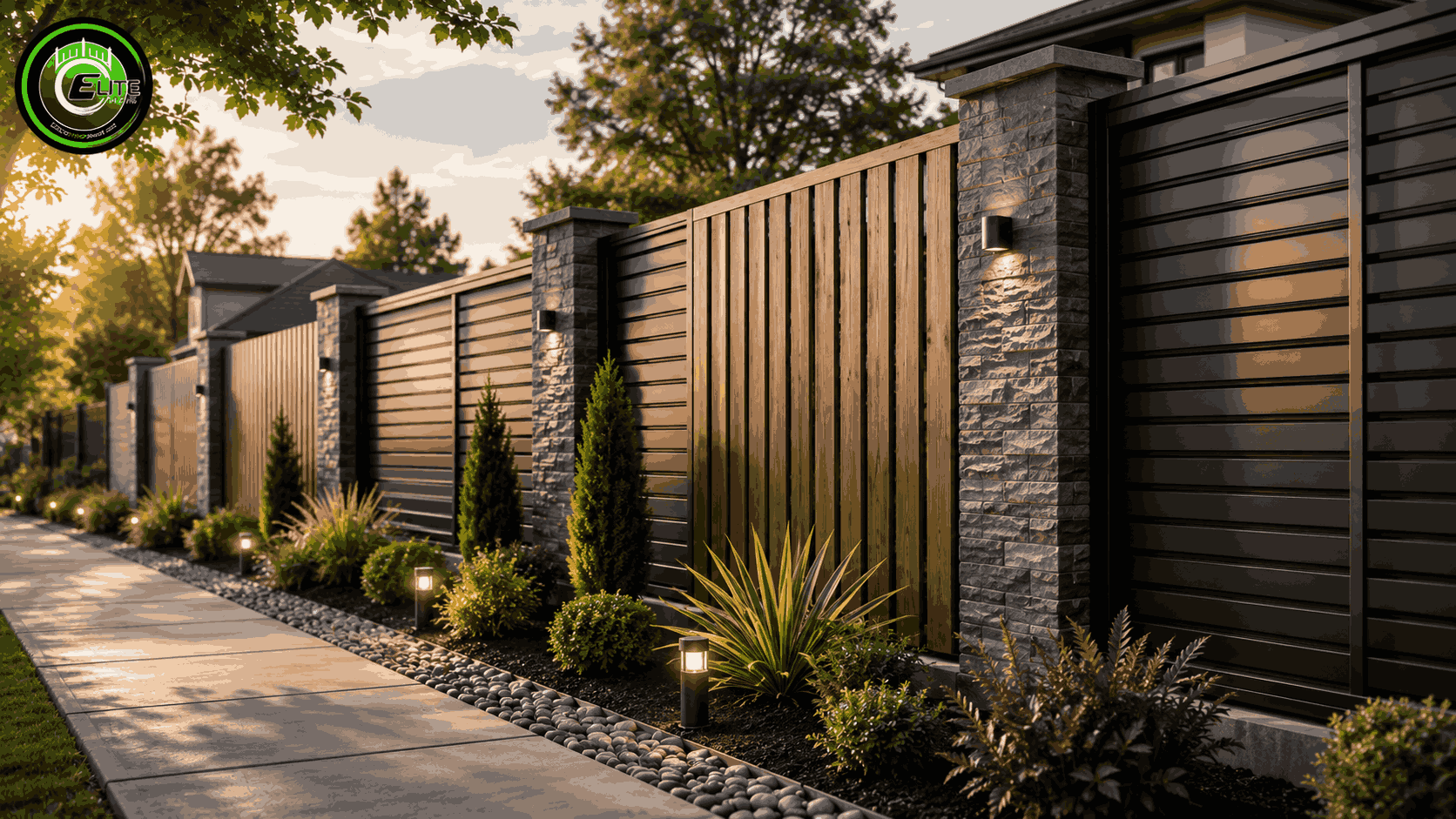
Aluminum fencing can contribute to curb appeal because it has a clean, structured appearance. Homeowners can choose from a variety of designs, heights, colors, and decorative details.
An open-picket aluminum fence can also work well with landscaping because it does not completely block views of gardens, lawns, or architectural features.
For homeowners who have invested in landscaping, this can be an important advantage. The fence can frame the property without visually overwhelming it.
A well-matched fence can also make a property look more organized and complete.
Does Aluminum Fencing Provide Security?
Aluminum fencing can help establish a physical boundary around a property. Its security value depends on its design and installation.
Fence height, picket spacing, gate configuration, locking hardware, and post strength all contribute to how the fence functions as a barrier.
For a homeowner who wants to clearly define a yard and control access through specific entry points, aluminum can provide a useful solution.
However, it is important to understand its limitations. Traditional aluminum fencing is often designed with an open structure, meaning it does not provide complete visual privacy.
Homeowners who need a solid privacy barrier or highly specialized security system may need to consider alternative materials or additional security measures.
How Long Can an Aluminum Fence Last?
The lifespan of an aluminum fence depends on the quality of the product, installation, environmental exposure, usage, and maintenance.
High-quality aluminum fencing can provide long-term service when it is properly installed and maintained.
The finish also matters. A durable exterior coating can help protect the surface and maintain its appearance.
Homeowners should review manufacturer information regarding product construction, finish, warranty coverage, and recommended maintenance.
It is also useful to remember that different parts of the fence can age differently. Posts and rails may remain in good condition while hinges, latches, or other hardware require attention sooner because of frequent use.
Is Aluminum Better Than Wood for Long-Term Ownership?
The answer depends on what the homeowner values most.
Wood offers a natural appearance and can provide excellent privacy. It is also available in many designs and can be relatively affordable initially.
However, wood requires more ongoing attention. Exposure to moisture, sunlight, insects, and temperature changes can contribute to deterioration over time.
Aluminum offers a different ownership experience. It provides an open appearance, does not rot, and generally requires less maintenance.
For homeowners who prefer a low-maintenance fence and do not need complete privacy, aluminum may offer stronger long-term value.
What About Vinyl Fencing?
Vinyl is another low-maintenance fencing option.
It does not rot like wood and can provide solid privacy depending on the design. However, aluminum offers an ornamental appearance that vinyl does not always replicate.
The choice comes down to the property’s needs. If privacy is the priority, vinyl may be worth considering. If an open, decorative boundary is preferred, aluminum may be more suitable.
Homeowners should compare product quality, installation, appearance, maintenance, and total cost rather than choosing based on material name alone.
Does Installation Quality Affect the Investment?
Yes. Installation quality can have a significant effect on the long-term performance of any fence.
Posts need to be properly positioned and secured. Fence sections should be aligned correctly, and gates need adequate support because they experience repeated movement.
Properties with slopes, uneven terrain, mature landscaping, retaining walls, or other obstacles may require additional planning.
A poorly installed fence can develop alignment problems even when the material itself is durable.
For this reason, homeowners should pay attention to installation methods and not focus exclusively on the material price.
How Should Homeowners Evaluate the Total Cost?
A realistic cost comparison should include more than the purchase price.
Think about the initial material cost, installation, gates, hardware, site preparation, removal of an existing fence, and any landscaping work required.
Then consider ongoing expenses such as cleaning, refinishing, repairs, and replacement of damaged components.
This approach provides a clearer picture of long-term ownership.
A fence with a higher initial price may become more competitive over time if it requires fewer repairs and less maintenance.
Can an Aluminum Fence Add Long-Term Property Value?
A fence can improve the functionality and appearance of a property, but it should not be viewed as a guaranteed increase in resale value.
Potential buyers may appreciate a well-maintained fence because it provides a defined boundary, improves the appearance of the landscape, and may reduce the need for immediate outdoor improvements.
The effect on property value depends on many other factors, including the neighborhood, overall property condition, landscaping, housing market, and buyer preferences.
Therefore, the best reason to install an aluminum fence Columbus Ohio is to improve the property for current and future use rather than expecting a specific financial return.
When Might Aluminum Not Be the Best Choice?
Aluminum fencing has many advantages, but it is not ideal for every situation.
A homeowner who needs complete privacy may prefer a solid fence. Someone who requires an extremely heavy-duty security barrier may want to compare aluminum with heavier materials.
Budget can also influence the decision. If the primary goal is simply to create an inexpensive temporary boundary, a lower-cost material may make more sense.
The best material depends on the property’s requirements rather than a universal ranking of fencing materials.
How Can Homeowners Get Better Long-Term Value?
Choosing the right product is only part of the process. Homeowners should also focus on proper planning and installation.
Start by determining the purpose of the fence and measuring the property accurately. Consider terrain, drainage, landscaping, gates, and local requirements.
Choose a product designed for outdoor use and review its warranty and maintenance recommendations.
Once installed, perform periodic inspections and address small problems early. Keeping the fence clean and checking gates and hardware can help maintain its appearance and functionality.
Good planning at the beginning can prevent many avoidable expenses later.
Final Thoughts
So, is an aluminum fence worth the cost for a long-term property upgrade? For many Columbus homeowners, it can be.
Its resistance to rust, low maintenance requirements, attractive appearance, and design flexibility make it a practical option for property owners who want a durable outdoor boundary.
Although the initial investment may be higher than some basic fencing materials, long-term ownership costs can be more favorable when reduced maintenance and durability are considered.
However, the right decision depends on the property’s purpose, budget, privacy needs, desired appearance, terrain, and local requirements.
For homeowners considering an aluminum fence Columbus Ohio property, comparing products and installation options carefully can help ensure the investment provides useful performance and lasting visual appeal.
Ultimately, a good fence should do more than look attractive when it is first installed. It should remain functional, manageable, and visually compatible with the property for many years. When those qualities are important, aluminum fencing can be a worthwhile long-term property upgrade.