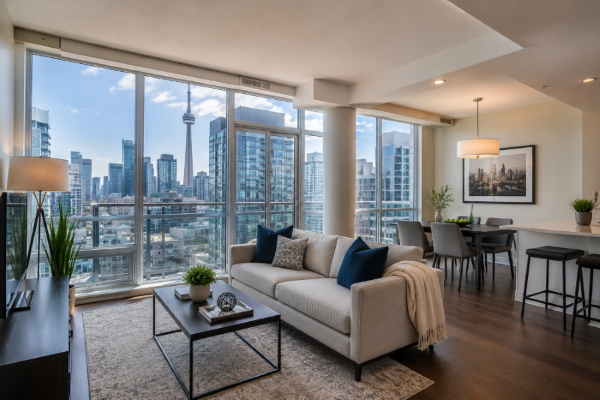
A home should make everyday life easier. It should have enough room for your belongings, a comfortable place to relax, and a location that keeps your daily routine manageable. When searching for a rental in Toronto, finding that balance can take time, especially when you are comparing different buildings, layouts, and monthly prices.
Toronto rental suites offer a range of living arrangements for individuals, couples, professionals, and families. Some suites feature compact layouts suited to solo renters, while others offer separate bedrooms, spacious living areas, and practical storage.
The best choice depends on more than the number of rooms. Your budget, preferred neighbourhood, transportation needs, building facilities, and expected length of stay all deserve attention.
This guide covers the main types of rental suites, ways to compare properties, questions worth asking, and practical steps for choosing a comfortable home in Toronto.
1. What Is a Rental Suite?
A rental suite is a residential living space rented under an agreement with a landlord or property manager. It may form part of a larger residential building or, in some cases, a house with separate living areas.
Rental suites can differ considerably in size, layout, facilities, and rental terms.
Common options include:
- Studio suites with an open living and sleeping area
- One-bedroom suites with a separate bedroom
- Two-bedroom suites for couples, families, or roommates
- Suites within condominium buildings
- Purpose-built rental apartments
- Secondary suites in houses, where legally permitted
Before arranging a viewing, confirm the layout, private entrance arrangements, kitchen facilities, laundry access, and other features that matter for your household.
Do not assume that all suites have separate utility meters or private laundry facilities. Ask the property manager about these details.
2. Which Type of Rental Suite Should You Choose?
The right layout depends on how you plan to use your living space.
Studio suites
A studio may suit someone who lives alone and prefers a compact, manageable home. The open layout can make efficient use of limited floor space, although privacy and storage may be restricted.
Look for a practical kitchen arrangement, adequate closet space, and enough room for a bed and seating.
One-bedroom suites
A one-bedroom suite offers a separate sleeping area. It may suit professionals, couples, or renters who want a clearer distinction between living and resting spaces.
If you work remotely, check if the living area can accommodate a small desk without making the room feel crowded.
Two-bedroom suites
Two-bedroom homes offer extra flexibility. A second bedroom can serve as a child’s room, guest room, shared living space, or home office, depending on your needs and the lease terms.
Roommates should discuss rent, utilities, cleaning, privacy, and shared responsibilities before moving in.
Larger suites
Some households need additional bedrooms, storage, or living space. Larger units may offer greater comfort, but they can also bring higher rent, utility costs, and furnishing expenses.
Compare usable space rather than relying on bedroom count alone. An efficient layout can sometimes feel more comfortable than a larger unit with awkwardly arranged rooms.
3. Which Toronto Neighbourhoods Are Suitable for Rental Living?
Location affects your commute, everyday expenses, and access to essential services.
Downtown Toronto
Downtown may suit people who work in central Toronto or enjoy having restaurants, shops, entertainment, and transit connections nearby.
Check building noise, storage, parking, and the amount of natural light in the suite.
Midtown Toronto
Midtown offers a mix of residential communities, shopping areas, restaurants, and transit access. It can be a useful choice for renters who want a balance between city convenience and a residential atmosphere.
North York
North York includes a variety of residential buildings, shopping centres, parks, and transit connections in selected areas. It may suit renters whose work, study, or family activities take place outside the downtown core.
Waterfront neighbourhoods
Selected waterfront communities offer access to walking routes, open spaces, and lake views. Renters who enjoy outdoor activities may appreciate these surroundings.
Before selecting a suite, visit the neighbourhood if possible. Check nearby grocery stores, pharmacies, transit stops, parking arrangements, and the route you expect to use most often.
A convenient location can save time and make everyday errands easier.
4. How Much Should You Budget for a Rental Suite?
Rental costs vary according to unit size, location, building age, condition, amenities, and lease terms. Furnished suites and units in buildings with extensive amenities may have different pricing from simpler properties.
Set a maximum monthly budget before arranging viewings.
Include these expenses in your calculations:
| Expense | What to check |
|---|---|
| Monthly rent | Exact amount and payment schedule |
| Utilities | Heating, electricity, water, and cooling |
| Internet | Service availability and monthly price |
| Laundry | Included facilities or separate charges |
| Parking | Availability and additional cost |
| Tenant insurance | Coverage required for your situation |
| Moving expenses | Transportation and moving supplies |
| Furniture | Any items needed after moving in |
Compare total monthly spending
Suppose two suites have similar advertised rents. One includes certain utilities, while the other requires separate payments. The second property may cost more each month than the listing initially suggests.
Ask the landlord for a written breakdown of rent and other charges. Confirm which services are included and which expenses you must pay separately.
It is also useful to leave some room in your budget for groceries, transportation, household supplies, and unexpected expenses.
5. Is a Furnished or Unfurnished Rental Suite Better?
Your existing belongings and expected length of stay can help determine the best arrangement.
A furnished suite may suit newcomers, temporary workers, or renters who want a simpler move. An unfurnished suite may appeal to people who already own furniture and want greater control over their living space.
| Feature | Furnished suite | Unfurnished suite |
|---|---|---|
| Moving preparation | Often simpler | Requires furniture planning |
| Initial expenses | May reduce setup costs | Furniture may add upfront costs |
| Personal style | Existing furniture sets the starting look | Greater freedom over design |
| Temporary living | Can be convenient | Depends on available belongings |
| Long-term use | Depends on furniture quality and needs | Useful for personal furnishing plans |
Ask for an inventory of furniture and appliances before signing an agreement for a furnished suite.
For an unfurnished property, measure the rooms and doorways before buying large furniture. This can help you avoid costly purchases that do not fit.
6. What Should You Inspect Before Renting a Suite?
A viewing is your chance to check whether a property matches its description.
Take your time and inspect the following areas.
Kitchen and appliances
Check the refrigerator, stove, cupboards, sink, and available counter space. Ask which appliances are included in the agreement.
Bathroom
Look for leaks, signs of dampness, working taps, adequate ventilation, and sufficient storage.
Windows and lighting
Open and close windows where possible. Check natural light during your planned viewing time and look for visible damage around frames.
Storage and room layout
Open cupboards and closets to assess usable space. Think about where your bed, sofa, desk, and other essential belongings would fit.
Noise and privacy
Listen for traffic, elevators, neighbouring units, or activity in shared areas. If possible, visit at a time when you can assess typical neighbourhood noise.
Building facilities
Ask about laundry, elevators, garbage disposal, bicycle storage, parking, and shared amenities.
Record existing damage and keep copies of relevant communications. Ask how maintenance problems should be reported and who handles urgent repairs.
7. What Should You Know About Rental Agreements?
A rental agreement explains the arrangement between the tenant and landlord. Read it carefully before signing or transferring money.
Check these details:
- Names of the relevant parties
- Address and description of the rental unit
- Monthly rent and payment dates
- Lease duration and renewal terms
- Utilities and included services
- Maintenance responsibilities
- Rules concerning guests and shared facilities
- Procedures for ending the tenancy
- Any permitted deposits or other charges
Ontario has specific laws governing residential tenancies, and the rules that apply can depend on the living arrangement. The province’s standard lease requirements apply to many residential tenancies, although exceptions exist.
Review current Government of Ontario guidance if you are unsure about a clause, deposit, rent increase, or termination notice.
Never rely on a verbal promise when an important term can be confirmed in writing. Keep a signed copy of the agreement and receipts for payments.
8. How Can You Make a Rental Suite Feel More Comfortable?
A rental suite does not need expensive furniture or permanent renovations to feel welcoming. A few thoughtful choices can make a noticeable difference.
Make the most of available space
Choose furniture that suits the room’s dimensions. A compact dining table, storage bed, or folding desk can be useful in smaller suites.
Use shelves, baskets, and drawer organisers to keep belongings tidy.
Improve the lighting
Combine available ceiling lights with table lamps or floor lamps where permitted. Softer lighting can make a living room or bedroom feel more relaxing.
Add personal touches
Cushions, removable artwork, a small rug, and decorative accessories can add character without requiring major changes.
For ideas on room styling, furniture arrangements, and practical home improvements, Turner Home Decor offers inspiration that renters can adapt to their own spaces. Its home decor content can help you create a more inviting atmosphere while working within the limits of a rental property.
Always check your lease before painting walls, drilling holes, installing fixtures, or making other permanent changes.
9. How Can You Make Your Rental Search Easier?
A simple process can help you compare properties without losing track of important details.
Follow these steps:
- Set your maximum monthly budget.
- Choose the suite size that suits your household.
- Select neighbourhoods that work with your commute.
- Check available move-in dates and lease terms.
- Shortlist properties that meet your main requirements.
- Arrange viewings or suitable live video tours.
- Record the condition, price, and facilities of each suite.
- Read the agreement before making a commitment.
Create a comparison sheet with columns for rent, utilities, location, bedrooms, laundry, parking, and building condition. This makes it easier to compare several options fairly.
Verify the landlord or authorised property manager before sending money. Be cautious if a listing contains inconsistent information or the person offering it refuses reasonable verification.
Conclusion
Toronto rental suites come in different sizes, layouts, and price ranges, making it possible to search for a living space that suits many household needs. The best option is one that matches your budget, supports your daily routine, and offers the facilities you actually need.
Compare neighbourhoods, inspect the suite carefully, calculate the full monthly cost, and read the rental agreement before signing. Pay attention to storage, natural light, maintenance, and transportation access, as these details can affect your comfort long after moving day.
Start with your essential requirements, shortlist suitable properties, and ask clear questions during each viewing. With a thoughtful approach, you can find a rental suite that feels comfortable and works well for your life in Toronto.
Meta Title: Toronto Rental Suites: A Guide for Renters
Meta Description: Find Toronto rental suites with practical tips on unit types, neighbourhoods, rental costs, inspections, lease agreements, and comfortable living.