


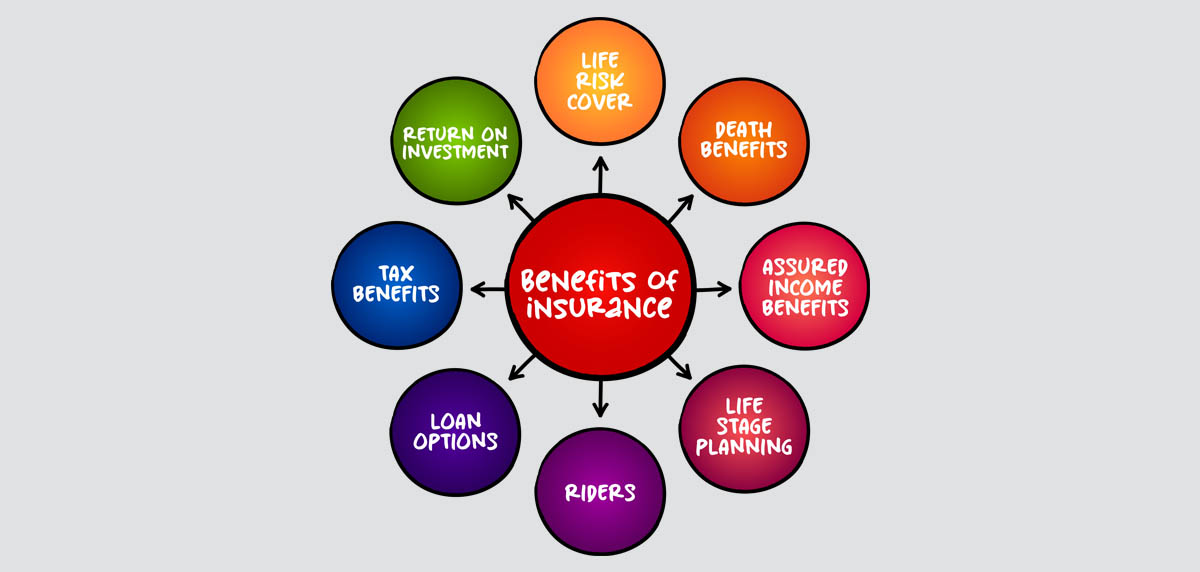
A term insurance policy mainly protects your family financially, but it can also offer tax benefits when the applicable conditions are met. Depending on the tax regime you choose, you may be able to claim a deduction on premiums or receive tax-exempt policy proceeds.
A key provision here is Section 10 of the Income-tax Act, which lists incomes that are exempt from tax. Within it, Section 10(10D) deals specifically with life insurance proceeds. Since the rules differ for premiums, death cover and maturity proceeds, understanding each one helps you plan better and file correctly.
What tax benefits are available on a term insurance policy?
A term insurance benefits can provide tax benefits at different stages, subject to the applicable provisions of the Income-tax Act.
These benefits generally include:
- Tax deduction on eligible premiums paid.
- Tax-exempt death cover received by the nominee, subject to the applicable provisions.
- Tax treatment of maturity proceeds, where applicable and subject to prescribed conditions.
The exact benefit depends on the tax regime, policy type and whether the policy satisfies the prescribed eligibility conditions.
How can you claim a deduction on term insurance premiums?
If you are eligible under the applicable tax regime, the premiums paid for a term insurance policy can qualify for a tax deduction.
Under the current framework:
| Provision | Benefit | Key condition |
| Section 80C (Income-tax Act, 1961 – valid up to 31 March 2026) / Section 123 (Income-tax Act, 2025) | Deduction up to Rs. 1.5 lakh in a financial year | Available only under the applicable old tax regime, subject to prescribed conditions |
The deduction is available only if the premium satisfies the conditions prescribed under the law. Section 123 of the Income-tax Act, 2025 replaces the earlier Section 80C while largely retaining the same deduction limit of Rs. 1.5 lakh.
Is the death cover from a term insurance policy taxable?
The amount received by the nominee after the death of the life assured is generally exempt from income tax under the applicable provisions.
Under the current tax framework:
| Provision | Benefit |
| Section 10(10D) of the Income-tax Act, 1961 / Section 11 read with Schedule II, Sr. No. 2 of the Income-tax Act, 2025 | Death cover is generally exempt from tax, subject to the prescribed provisions |
One important point is that the premium-related limits applicable to maturity proceeds generally do not apply to death claims. As a result, eligible death cover is generally received tax-free by the nominee.
Are maturity proceeds also tax-free?
Although standard term insurance plans generally do not pay a maturity benefit, certain variants, such as term insurance with return of premium, may provide one.
The tax treatment of such maturity proceeds depends on whether the policy satisfies the prescribed conditions.
Generally, maturity proceeds may qualify for exemption under:
Section 10 of income tax act , 1961 / Section 11 read with Schedule II, Sr. No. 2 of the Income-tax Act, 2025, provided the applicable premium-to-sum assured limits and other statutory conditions are met.
For many life insurance policies:
- Policies issued on or after 1 April 2012 generally require the annual premium not to exceed 10% of the sum assured.
- Additional premium thresholds also apply to certain policies issued after specified dates.
If these conditions are not satisfied, the maturity amount may become taxable according to the applicable provisions.
What should you keep in mind while claiming tax benefits?
Before claiming any tax benefit, ensure that:
- Premiums are paid within the financial year.
- The policy satisfies the applicable eligibility conditions.
- You choose the correct tax regime where the deduction is available.
- Premium payment records are retained for tax filing.
- You understand the difference between deductions on premiums and exemptions on policy proceeds.
Reviewing these aspects beforehand can help avoid errors while filing your income tax return with Bajaj Finanace.
Conclusion
Term insurance offers more than financial protection for your family. It can also provide meaningful tax advantages when the prescribed conditions are met. Eligible premiums may qualify for deduction under Section 80C (up to 31 March 2026) or Section 123 of the Income-tax Act, 2025, while eligible death and maturity benefits may receive tax exemption under Section 10(10D) or Section 11 read with Schedule II, Sr. No. 2 of the Income-tax Act, 2025.
Understanding these provisions before purchasing a policy can help you make better financial and tax-planning decisions.