


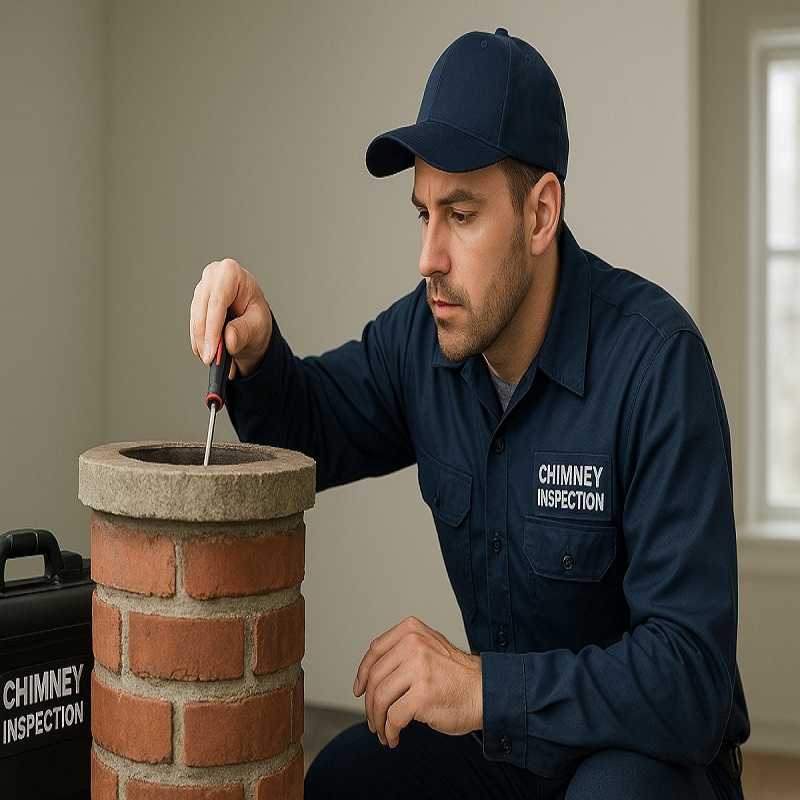
A chimney plays an essential role in keeping a fireplace safe, efficient, and functional. Over time, soot, creosote, or debris can build up, while structural issues may go unnoticed until they cause serious problems. Identifying the right moment to call a certified professional ensures safety and helps avoid costly repairs. The following guide answers key questions about when and why to schedule a chimney inspection.
Why Does Chimney Inspection Matter for Homeowners?
The chimney is the primary ventilation system for fireplaces and stoves. If neglected, it can become a hazard. Creosote buildup, cracks, or blockages can lead to fires or harmful gas leaks. Local companies offering professional inspection services in your city can identify problems early and keep the system working properly. The ultimate goal is safety, clean airflow, and reliable heating during colder months.
What Common Problems Indicate a Chimney Needs Attention?
Several warning signs suggest the need for professional chimney services. One of the most frequent is visible creosote inside the flue. This highly flammable residue often requires cleaning with specialized brushes or a professional cleaning kit. Blockages caused by a bird nest, leaves, or fallen masonry can also restrict airflow. Homeowners may notice smoke entering their living space or unusual odors near the fireplace. Other problems include damaged mortar, loose bricks at the top of the chimney, or water leaks requiring repair. These issues are best handled by certified companies with proven reviews.
How Can a Chimney Inspection Benefit Homeowners?
Regular inspections provide multiple benefits beyond fire prevention. They improve fireplace efficiency, reduce indoor air pollution, and help identify repair needs before they become expensive. A professional service also helps homeowners comply with insurance requirements, as many businesses and policies require proof of an annual check. Another advantage is accurate cost estimates, allowing homeowners to budget for cleaning or repair services at average prices in their local area.
What Is the Role of a Professional Chimney Inspection?
A professional inspection involves more than a quick look. Certified technicians often use cameras, brushes, and inspection software to detect cracks, leaks, or hidden blockages. Unlike a DIY kit, professional services ensure no details are missed. The process may also include checking chimney caps, liners, and masonry. As industry expert Mark Jensen states:
“An annual chimney inspection is the best defense against hidden hazards that compromise both safety and efficiency.”
How Much Does a Chimney Inspection Cost on Average?
Homeowners often ask how much they should expect to pay for chimney services. The average cost depends on the type of inspection required:
| Service Level | Description | Average Cost (USD) |
|---|---|---|
| Level 1 | Visual inspection of accessible areas | $75 – $150 |
| Level 2 | Camera scan, required for property sales or after damage | $150 – $350 |
| Level 3 | Full structural inspection with partial chimney removal | $1,000+ |
Disclaimer: Prices vary depending on city, local companies, and service level. These are general ranges and may differ based on certified businesses near you.
How Often Should Chimneys Be Inspected and Cleaned?
The National Fire Protection Association recommends an inspection at least once a year, even if the fireplace is used rarely. Regular cleaning is also necessary, especially if soot or creosote buildup is visible. Many top companies suggest pairing cleaning services with inspection to ensure complete safety. While homeowners can purchase a brush or kit for minor cleaning, professional services deliver the best long-term results.
What Features Define the Best Chimney Inspection Services?
When selecting a company, several factors distinguish the best services:
-
Certified Professionals: Only certified technicians can guarantee a thorough inspection.
-
Clear Prices: Transparent cost breakdowns prevent unexpected charges.
-
Comprehensive Services: The best companies provide inspection, cleaning, and repair options.
-
Local Access: Businesses near your city allow for faster response and better service.
-
Reliable Reviews: Positive customer reviews help confirm quality and trust.
-
Use of Tools: Modern inspection software and high-grade brushes improve accuracy.
How Does Chimney Inspection Improve Safety?
The primary purpose of a chimney inspection is to safeguard the home against hidden risks. Creosote buildup, cracked masonry, or blocked flues can all create dangerous conditions that increase the chance of fire or carbon monoxide exposure.
Why Is Chimney Inspection Critical in Emergencies?
Chimney inspections also play an essential role in emergency situations. After a storm, fire incident, or sudden structural damage, an immediate inspection is necessary to assess safety before the fireplace is used again.
What Are the FAQs About Chimney Inspections?
Do I need an inspection if I rarely use my fireplace?
Yes. Even without frequent use, blockages from birds or weather damage may still occur.
Can I rely on a DIY cleaning kit instead of hiring a service?
Kits are useful for light maintenance, but certified companies provide a complete, professional inspection.
Are inspections included with cleaning services?
Not always. Some companies separate inspection and cleaning, while others offer bundled services.
Do local prices vary much between businesses?
Yes. Costs often depend on the city, the company’s reputation, and the service level required.
How do I know if I’ve chosen the right company?
Look for certifications, positive reviews, and transparent pricing.
Conclusion:
A chimney inspection ensures that your fireplace operates safely and efficiently. Recognizing early signs such as creosote buildup, blockages, or structural wear can prevent costly repair. Choosing a certified local company with proven services, fair prices, and strong reviews delivers the ultimate peace of mind. By scheduling inspections often and pairing them with cleaning when necessary, homeowners protect their property, family, and investment.
Read More: Chimney Sweep