


Precision is essential in manufacturing, especially when producing components that must fit together accurately and perform reliably. From threaded fasteners to complex gears, the quality of the finished product depends on suitable machinery, carefully selected tooling, and consistent production methods.
Manufacturers must consider material properties, component dimensions, surface finish, and production volume when choosing tools. Understanding the available machining and forming processes can help businesses improve quality while making better use of their manufacturing resources.
Understanding Gear Cutting Requirements
Gears are used in many mechanical systems to transfer motion and power. Their teeth must be produced accurately so that connected components engage properly and operate as intended.
Different gear designs require different manufacturing methods. The choice depends on factors such as gear geometry, material, required tolerances, machine capability, and production needs.
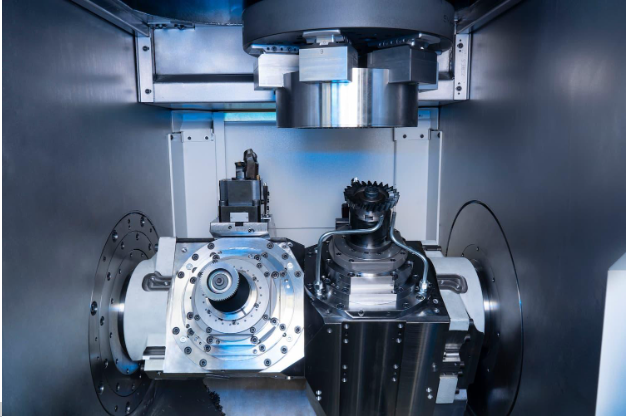
Among the available methods, skiving gear cutting is an important process for producing certain internal and external gear profiles. It uses coordinated movement between the cutter and workpiece to remove material and create the required tooth geometry.
When the process is set up correctly, it can support efficient production while maintaining the accuracy required for demanding applications.
The Role of Cutting Tool Quality
The cutting tool has a direct influence on machining performance. Its geometry, material, and condition can affect cutting forces, surface finish, dimensional accuracy, and tool life.
Selecting suitable tooling begins with understanding the component being manufactured. The cutter must match the gear specifications and work effectively with the available machine and operating conditions.
Regular inspection also matters. Worn or damaged tools can affect finished components and may increase the risk of production interruptions. Monitoring tool condition helps manufacturers identify problems before they lead to greater waste.
How Skiving Supports Gear Manufacturing
Skiving is valued for its ability to machine gear features using a coordinated cutting action. It can be particularly useful for applications involving internal gears, where other production methods may present practical limitations.
Successful skiving gear cutting depends on the relationship between the cutter design, workpiece material, machine setup, and cutting parameters. Each factor needs to be considered to achieve the intended profile and surface quality.
Manufacturers should also pay attention to workpiece stability, tool alignment, and chip removal. Proper planning can help improve consistency and make the process easier to manage across repeated production runs.
Understanding Thread Rolling
Thread rolling is different from conventional thread cutting because it forms the thread through pressure rather than removing material to create the profile.
During the process, specially designed dies press against the workpiece and form the required thread shape. When the material and process are suitable, this method can produce consistent threads with useful mechanical properties.
Thread rolling is commonly used in the production of fasteners and other components that require external threads. The correct die design and machine settings are essential for obtaining the required dimensions and finish.
Choosing a Reliable Thread Rolling Die Supplier
Die quality is an important consideration for manufacturers that depend on consistent thread production. The die profile, material, heat treatment, and manufacturing accuracy can all influence performance.
Businesses evaluating thread rolling dies manufacturers should look at their ability to meet the required thread specifications and provide suitable tooling for the intended application.
It is also helpful to discuss workpiece material, production volume, machine compatibility, and expected tool life before making a purchasing decision. Clear technical communication can reduce the risk of choosing a die that does not meet production requirements.
Improving Production Consistency
Consistent manufacturing requires more than selecting a good tool. Machine condition, operator experience, material quality, and process control all contribute to the finished result.
Manufacturers can improve consistency by establishing clear inspection procedures and monitoring key dimensions during production. Keeping records of tool usage and maintenance can also help identify recurring issues.
For gear machining, this may involve checking tooth geometry and surface finish. For thread rolling, inspections can focus on thread dimensions, profile, and overall conformity with the required specifications.
These checks help production teams identify problems early and make appropriate adjustments.
The Importance of Tool Maintenance
Precision tools experience wear during normal use. Without appropriate care, their performance may gradually decline and affect component quality.
Manufacturers should follow supplier recommendations for tool handling, inspection, storage, and maintenance. Tools should also be checked for damage before being returned to production.
Planned maintenance can make replacement decisions easier and help avoid unexpected interruptions. It also allows manufacturers to review tool performance over time and determine whether a different specification would be more suitable.
Matching Tools to Specific Applications
No single tool is ideal for every manufacturing requirement. The most suitable choice depends on the component design, material, required accuracy, production volume, and available equipment.
When comparing tooling options, manufacturers should review technical specifications and discuss any application requirements that could affect performance.
For thread rolling, this means ensuring that the die matches the intended thread form and workpiece. For gear production, it means confirming that the cutting tool is suitable for the required tooth geometry and machining process.
A careful selection process can help businesses avoid unnecessary costs and maintain dependable production standards.
Building Better Results Through Precision Tooling
High quality components begin with a clear understanding of the manufacturing process. Gear cutting and thread rolling each serve different purposes, but both depend on suitable tools, accurate setup, and consistent quality control.
By understanding the requirements of skiving gear cutting and working with experienced thread rolling dies manufacturers, businesses can make informed tooling decisions that support their production goals.
A practical approach to tool selection and maintenance helps manufacturers maintain component quality, manage operating costs, and build more reliable manufacturing processes over time.