


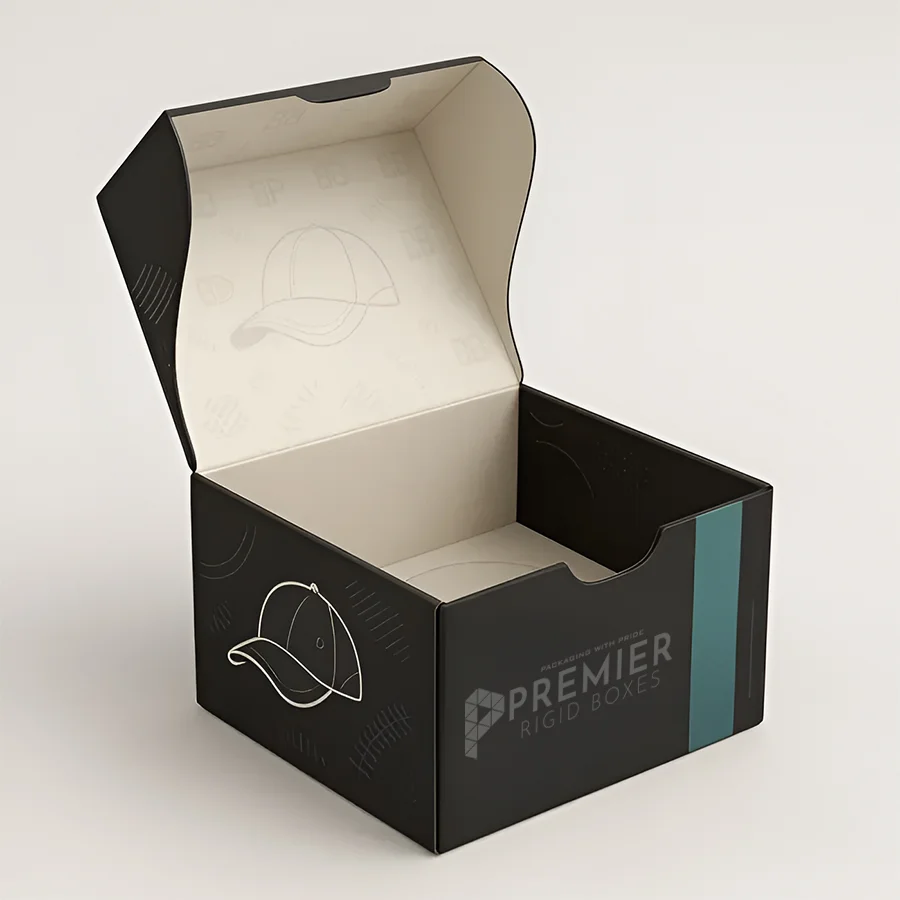
A good hat isn’t cheap to make. The shaping, the stitching, the material all of that takes actual skill. So it’s always a little strange when a brand puts that much care into the product, then ships it out in a flimsy poly bag or a plain brown box that looks like it’s meant for shipping bolts, not something someone’s going to wear on their head with pride.
I’ve noticed this a lot browsing hat brands online. Some show up in packaging that feels like an afterthought. Others arrive in something that makes you pause before you even try the hat on. That second group tends to have customers who come back, and it’s not just because the hats are better. A lot of it comes down to how the whole thing felt from the moment the box showed up.
First Impressions Happen Before the Hat Does
By the time someone opens their hat box, they’ve already formed an opinion about your brand. Maybe it’s from the box’s weight in their hands. Maybe it’s the way the lid lifts, or doesn’t lift easily at all. Either way, that moment sets the tone for everything that follows.
A crushed, flimsy box says the brand didn’t think this far ahead. A sturdy, well-finished one says the opposite that someone considered what it would feel like on the other end, not just how the hat looked in a product photo. That’s a small thing, technically. But it shapes how much a customer trusts what’s inside before they’ve even seen it.
Structure Protects More Than Just the Hat’s Shape
Hats aren’t like t-shirts. We shouldn’t fold hats and stuff them into a soft mailer without consequence. Brims bend. Crowns get crushed. A structured box isn’t a luxury add-on here it’s actually doing a job.
A few things a solid hat box tends to get right:
- Rigid walls that hold their shape during shipping, even if the package gets stacked under other boxes
- Enough interior space so the brim isn’t pressed flat against the sides
- A snug enough fit that the hat doesn’t slide around and lose its shape in transit
Skip this part, and customers open a box to find their new hat looking like it went through something rough on the way there. That’s a bad first experience no matter how good the hat actually is once it’s reshaped back into place.
Material and Finish Tell a Story Before Anyone Reads a Word
Run your hand over a cheap box and you can usually tell right away. Thin, bendy cardboard. A dull, flat print job. Nothing about it feels considered.
Elegant packaging leans on a different set of choices sturdier board, matte or soft-touch finishes instead of shiny plastic-feeling coatings, maybe some subtle texture on the lid. None of this needs to be flashy. Actually, the best hat packaging tends to be understated rather than loud. A clean matte black box with a small embossed logo says more than a box covered in busy graphics ever could.
Color matters here too. Neutral tones cream, charcoal, deep green, tan tend to read as more premium than bright, saturated colors, which often feel more like retail clearance packaging than something built around craftsmanship.
Branding Turns a Box into Part of the Product
A plain box with no branding at all is forgettable. It does the job, but it doesn’t tell anyone who made this or what the brand stands for. That’s a missed opportunity, especially for hat brands that lean on identity and style as part of what they’re selling in the first place.
This is where custom printing earns its cost. A logo stamped cleanly on the lid, a signature interior lining, maybe a short line about the brand’s story tucked inside these details build recognition slowly, order after order. A lot of hat brands now go straight to sourcing personalized hat packaging boxes with logo options, so every order reinforces the brand instead of arriving in something generic that could’ve come from anywhere.
It doesn’t need to be complicated. Even a single well-placed logo and a consistent color scheme is usually enough to make packaging feel intentional rather than borrowed.
The Unboxing Moment Is Part of What People Are Paying For
Nobody talks about this openly, but a lot of what makes a purchase feel worth the price happens after the order arrives, not during checkout. Opening a box that feels deliberate a lid with some resistance, maybe tissue paper in a matching color, a small thank-you card tucked inside adds weight to the whole purchase.
This matters even more for hats specifically, since they’re often gifts, or purchases people are a little excited about. A generic shipping experience undercuts that excitement. A considered one adds to it.
A Few Things Worth Thinking About Before Upgrading Packaging
- Know your price point. A $150 handmade hat and a $25 casual cap don’t need the same level of packaging, and overspending on one or underspending on the other both send the wrong message.
- Consider your shipping method. Rigid boxes protect better but take up more space, which can affect shipping costs depending on volume.
- Decide how visible your branding should be. Some brands go bold with large logos; others prefer something quieter and subtler.
- Think about reorder consistency. Packaging that looks great at first but changes slightly with each order tends to undercut the premium feel you’re going for.
- Test a small batch first. It’s a lot cheaper to fix an issue with fifty boxes than to discover a design flaw after committing to a thousand.
Final Thoughts
A great hat deserves packaging that matches the effort that went into making it. Elegant packaging isn’t really about spending more money for the sake of it it’s about matching the experience of receiving the product to the quality of the product itself. Structure protects the hat. Material and finish set the tone. Branding turns a plain box into something that actually represents the business behind it.
None of this needs to be complicated or expensive to get right. It just needs to be intentional. And for many customers, that intention is exactly what turns a one-time purchase into a brand they keep coming back to.