


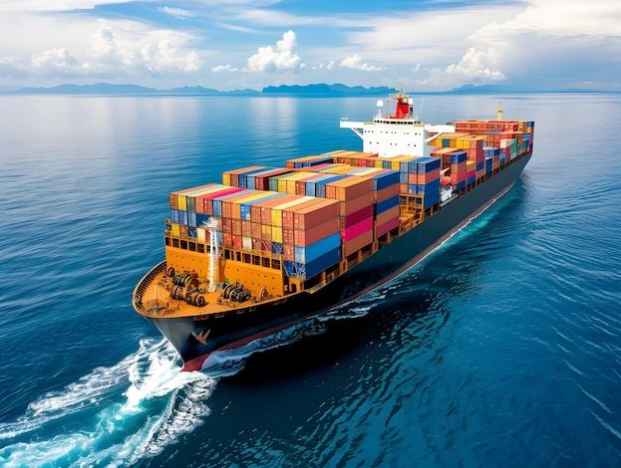
No two ocean shipments face the exact same set of risks, but almost every business shipping by sea eventually runs into the same lesson: schedules are estimates, not guarantees. Port congestion, weather disruptions, capacity shortages, and geopolitical shifts can all reshape a transit timeline with little warning, which means ocean shipping planning has to account for variability from the outset rather than treating it as an exception.
Why Ocean Freight Is Inherently Less Predictable
Unlike air freight, where delays are typically measured in hours, ocean shipping operates on a timeline where disruptions are measured in days or weeks. A single congested port, a canal closure, or a labor dispute at a transshipment hub can ripple across an entire shipping lane, affecting vessels and cargo that had nothing to do with the original disruption. Businesses that build their supply chain around best-case transit times are the ones most exposed when any part of that chain slips.
Building Buffer Into the Plan, Not Just the Schedule
The most effective response to uncertainty isn’t trying to predict every disruption, it’s building enough flexibility into planning that no single delay becomes a crisis. This means padding lead times realistically rather than optimistically, especially for shipments tied to seasonal demand or contractual delivery windows. It also means avoiding over-reliance on a single port, carrier, or route where possible, since diversifying transit options reduces how exposed a shipment is to any one point of failure.
Documentation and Communication as Risk Management
A surprising amount of ocean freight uncertainty isn’t about the ship itself, it’s about paperwork and coordination breaking down once cargo reaches port. Businesses that maintain consistent, accurate documentation across every shipment reduce the chance of customs holds compounding an already-delayed schedule. Clear communication with freight partners about priority shipments, and realistic expectations set with end customers in advance, also reduce the operational strain when delays do occur.
Working With Partners Who Plan for Disruption, Not Just Transit
Freight partners who actively monitor port conditions, carrier reliability, and route-specific risk factors can often reroute or adjust plans before a delay fully materializes, rather than reacting after the fact. This kind of proactive coordination matters even more for shipments crossing multiple jurisdictions, carriers, and regulatory checkpoints, each adding its own layer of potential disruption. Asking a logistics partner how they handle disruption in practice, not just how they describe their standard transit times, is often the more useful question during vendor evaluation.
Conclusion
Ocean freight uncertainty isn’t something businesses can fully eliminate, but it is something they can plan around. Realistic lead times, diversified routing, consistent documentation, and freight partners who monitor disruption proactively all reduce how much a single delay disrupts an entire supply chain. For businesses managing international cargo shipping, the goal isn’t predicting every disruption, it’s building a plan resilient enough that no single one derails delivery commitments.
AVR Logistics is an Indian freight forwarding company managing ocean, air, and rail cargo across global trade lanes. They help businesses navigate port congestion, documentation risks, and carrier disruptions with proactive coordination, building resilient shipping plans suited to the unpredictability of international ocean freight.