




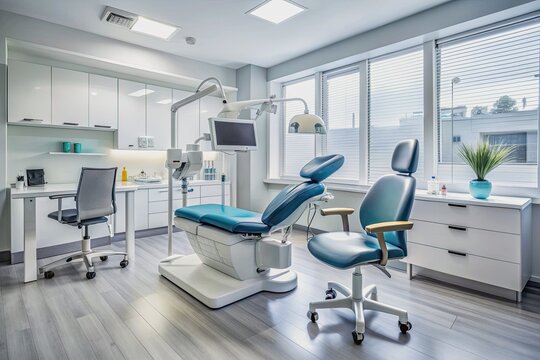
Maintaining healthy teeth and gums is important at every stage of life. From a child’s first dental visits to routine examinations for adults, regular checkups help identify oral health concerns and support long-term dental wellness. Scheduling Dental Exams for Adults and Children is an effective way to monitor tooth development, detect potential problems early, and maintain healthy smiles. Allard Station Dental is a dental practice patients and families can consider when exploring routine dental care.
Why Are Regular Dental Exams Important?
Dental problems do not always cause pain or noticeable symptoms during their early stages. Cavities, gum inflammation, and other oral health concerns can develop gradually without being immediately obvious.
Regular dental examinations allow dental professionals to assess the condition of teeth, gums, and other oral tissues. Early identification can help patients understand their treatment options and avoid complications associated with untreated dental problems.
Some important benefits of routine dental exams include:
-
Early identification of tooth decay.
-
Monitoring gum health and signs of inflammation.
-
Checking existing fillings, crowns, and other restorations.
-
Assessing children’s tooth development.
-
Identifying potential bite and alignment concerns.
-
Receiving personalized oral hygiene recommendations.
Consistent dental visits help both adults and children develop better habits and take a proactive approach to oral health.
Dental Exams for Children: Building Healthy Smiles Early
Children’s dental needs change as they grow. Their first teeth, developing jaws, and eventual transition to permanent teeth all require appropriate attention.
The first dental visit is generally recommended by a child’s first birthday or within six months after the first tooth appears.
Monitoring Tooth Development
During a dental examination, the dentist can check how baby teeth are developing and whether permanent teeth are emerging as expected. Early monitoring may help identify unusual eruption patterns, spacing concerns, or other developmental issues.
Preventing Childhood Cavities
Tooth decay is one of the most common dental problems among children. Frequent sugary snacks, sweetened beverages, and inadequate brushing can increase the risk of cavities.
Routine examinations help identify early signs of decay. Parents can also receive guidance on fluoride toothpaste, healthy eating habits, and preventive treatments when appropriate.
Evaluating Bite and Alignment
As children grow, their teeth and jaws continue to develop. Dental exams provide opportunities to identify crowding, spacing, crossbites, and other alignment concerns that may benefit from further assessment.
Encouraging Positive Dental Habits
Early dental experiences can influence how children feel about oral healthcare. Regular visits help children become familiar with dental appointments and understand the importance of brushing, flossing, and preventive care.
Dental Exams for Adults: Protecting Long-Term Oral Health
Adults also need regular dental examinations, even when their teeth appear healthy. Daily habits, ageing, lifestyle choices, and previous dental treatments can influence oral health over time.
Detecting Cavities and Tooth Damage
Cavities may develop between teeth or beneath existing restorations. A dental examination helps identify suspicious areas that may require further evaluation or treatment.
Checking Gum Health
Gum disease can develop when plaque accumulates around the teeth. Early symptoms may include redness, swelling, tenderness, or bleeding during brushing.
Regular examinations help monitor gum condition and identify signs that may require professional attention.
Monitoring Existing Dental Work
Fillings, crowns, bridges, and other restorations should be checked periodically. A dentist can assess whether existing dental work remains in good condition or needs further attention.
Screening Oral Tissues
A dental examination may include checking the tongue, cheeks, gums, and other soft tissues for unusual changes. Early assessment of suspicious areas is important for determining whether further investigation is needed.
What Happens During a Dental Examination?
The exact process may vary depending on age, dental history, and individual oral health needs. However, a routine dental exam generally includes several important steps.
1. Reviewing Dental and Medical History
The dental professional may ask about previous dental treatments, medications, existing concerns, and changes in general health.
2. Examining Teeth and Gums
The dentist checks for cavities, damaged teeth, plaque accumulation, gum inflammation, and other visible concerns.
3. Assessing Bite and Alignment
The way upper and lower teeth meet may be evaluated to identify potential bite problems or unusual tooth positioning.
4. Dental X-Rays When Necessary
X-rays may be recommended when additional information is needed, such as checking for decay between teeth, assessing developing teeth, or examining underlying structures. They are not automatically required at every appointment.
5. Personalized Recommendations
Following the examination, patients may receive advice about oral hygiene, preventive care, or additional treatment if a concern is identified.
How Often Should Adults and Children Have Dental Exams?
The recommended frequency depends on individual oral health needs.
Some patients benefit from examinations every six months, while others may need more frequent visits because of gum disease, recurring cavities, orthodontic treatment, or other concerns.
Children should also follow a schedule recommended by their dental professional to monitor their developing teeth and gums.
Rather than following the same schedule for everyone, it is best to discuss an appropriate examination frequency based on personal dental history.
How to Prepare Children and Adults for Dental Visits
A little preparation can make dental appointments more comfortable and productive.
For children:
-
Explain the appointment using simple and positive language.
-
Avoid using words that may create unnecessary fear.
-
Encourage regular brushing before the visit.
-
Let children ask questions about the dental examination.
-
Make dental visits part of their normal healthcare routine.
For adults:
-
Prepare a list of dental concerns or symptoms.
-
Share information about medications and medical conditions.
-
Mention any sensitivity, bleeding gums, or discomfort.
-
Discuss previous dental treatments and concerns.
-
Ask questions about recommended preventive care.
Open communication helps dental professionals understand patient needs and provide appropriate guidance.
Choosing Dental Exams for Adults and Children
When selecting a dental practice for the family, patients should consider several factors that support consistent and comfortable care.
-
Comprehensive examinations: Look for a practice that assesses teeth, gums, and overall oral health.
-
Age-appropriate guidance: Children and adults have different dental needs.
-
Preventive approach: Regular monitoring can help identify potential problems early.
-
Clear communication: Patients should understand examination findings and recommended next steps.
-
Convenient scheduling: Accessible appointments can make it easier for families to maintain regular visits.
Choosing a dental provider that emphasizes education and prevention can support healthier habits for the entire family.
Exploring Family Dental Care at Allard Station Dental
Families looking for Dental Exams for Adults and Children may want to explore local dental practices that support preventive oral healthcare. Allard Station Dental is a practice patients can consider when researching dental care options.
Patients can contact Allard Station Dental to ask about routine dental examinations, appointments for different age groups, preventive services, and recommended checkup schedules.
Discussing individual dental concerns and family dental history can help patients understand what to expect during an examination. Regular visits and professional guidance can make it easier to monitor oral health as children grow and adults manage changing dental needs.
Final Thoughts
Dental examinations are an important part of maintaining healthy smiles throughout life. For children, they help monitor tooth development and encourage positive oral hygiene habits. For adults, they support early detection of cavities, gum concerns, and other dental conditions.
If you are considering Dental Exams for Adults and Children, contact Allard Station Dental to discuss your family’s preventive dental care needs. Regular checkups, healthy daily habits, and professional guidance can help protect smiles at every age.