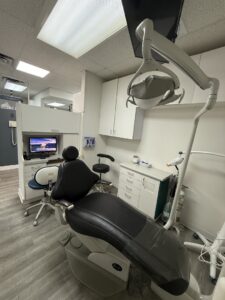


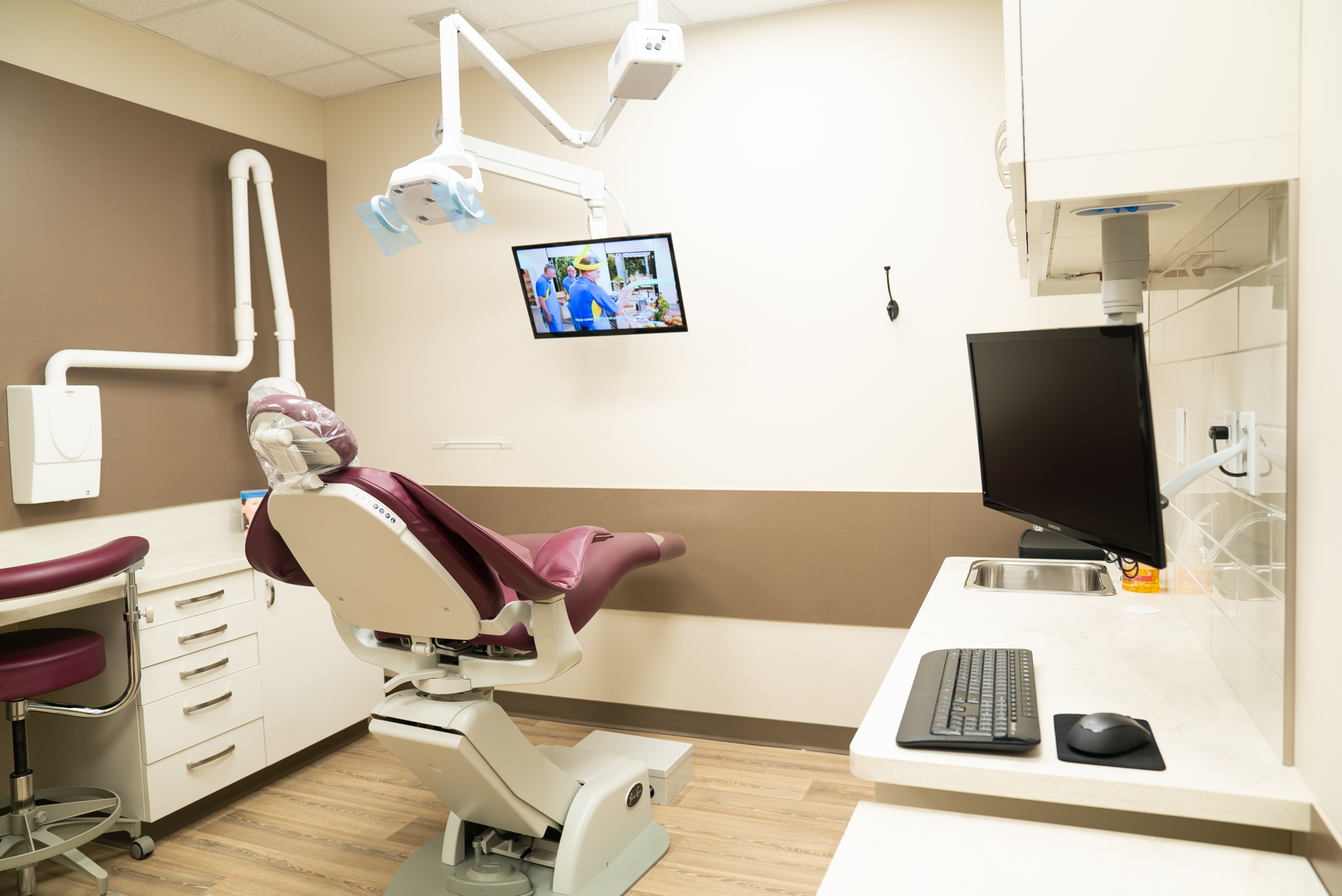
Brushing and flossing at home are essential parts of good oral hygiene, but they may not remove all plaque and hardened buildup from the teeth. Professional dental cleanings provide an opportunity to remove deposits that regular brushing may leave behind while also allowing a dental professional to monitor the health of your teeth and gums.
For people considering dental cleanings in Edmonton, understanding what happens during a cleaning and why regular appointments matter can help make preventive dental care a consistent part of their routine.
What Are Professional Dental Cleanings?
A professional dental cleaning is a preventive dental service designed to remove plaque, tartar, and surface buildup from the teeth.
Even with consistent brushing and flossing, some areas of the mouth can be difficult to clean thoroughly. Tartar, also called dental calculus, cannot usually be removed effectively with a regular toothbrush and requires professional cleaning.
During a cleaning appointment, a dental professional may also check the gums and look for signs of potential oral health concerns.
Why Are Regular Dental Cleanings Important?
Plaque contains bacteria that can contribute to tooth decay and gum problems when it remains on the teeth. Over time, plaque can harden into tartar, making it more difficult to remove at home.
Regular professional cleanings can help:
- Remove hardened tartar
- Reduce plaque buildup
- Support healthier gums
- Remove some surface stains
- Freshen the mouth
- Support long-term oral hygiene
Cleanings are most effective when combined with good daily brushing and flossing habits.
What Happens During a Dental Cleaning?
A typical cleaning appointment may involve several steps. The exact process can vary depending on your oral health.
Oral Examination
The dental professional may first examine your teeth and gums for signs of cavities, gum inflammation, or other concerns.
Plaque and Tartar Removal
Specialized dental instruments are used to carefully remove plaque and tartar from the teeth. Areas around the gumline and between teeth may receive particular attention.
Teeth Polishing
After buildup has been removed, the teeth may be polished to help remove certain surface stains and leave the teeth feeling smoother.
Oral Hygiene Guidance
Your dental team may also discuss brushing, flossing, interdental cleaning, or other habits based on areas that require additional attention.
How Often Should You Have a Dental Cleaning?
There is no single cleaning schedule that is ideal for everyone. Some people may benefit from routine cleanings at regular intervals, while others with certain oral health concerns may require more frequent visits.
Your dentist or dental hygienist can recommend an appropriate schedule based on factors such as:
- Gum health
- History of cavities
- Plaque and tartar buildup
- Oral hygiene habits
- Existing dental conditions
- Individual risk factors
Following a personalized schedule can make preventive care more effective.
Dental Cleanings and Gum Health
Healthy gums are an important part of overall oral health. Persistent plaque and tartar around the gumline can contribute to gum inflammation.
Early gum problems may cause symptoms such as redness, swelling, tenderness, or bleeding during brushing. Professional cleaning and improved daily oral hygiene may help manage plaque-related problems, while more advanced gum conditions may require additional professional care.
If you regularly experience bleeding or other changes in your gums, it is worth discussing them with a dental professional.
Can Dental Cleanings Whiten Teeth?
A professional cleaning is not the same as a teeth-whitening treatment. However, cleaning can remove certain external stains caused by foods, beverages, and other everyday habits.
This may make the teeth appear cleaner and brighter. If you want a more significant change in tooth colour, your dentist can discuss whether professional whitening or another cosmetic option may be appropriate.
How to Maintain Clean Teeth Between Appointments
Professional cleanings work best when supported by good daily habits.
You can help maintain your oral health by:
- Brushing twice a day with fluoride toothpaste
- Cleaning between your teeth every day
- Limiting frequent sugary foods and drinks
- Drinking water regularly
- Avoiding tobacco products
- Following your dental professional’s recommendations
Consistent home care can help reduce plaque accumulation between professional visits.
Choosing Dental Cleanings in Edmonton
When searching for dental cleanings in Edmonton, consider a dental practice where preventive care is treated as an important part of long-term oral health.
Smile Zone Dental can be a starting point for individuals and families looking to maintain regular dental care. A dental professional can assess your oral health, provide a professional cleaning when appropriate, and offer personalized guidance for maintaining your teeth and gums between appointments.
Final Thoughts
Dental cleanings are an important part of preventive oral care. They help remove plaque and tartar that may be difficult to eliminate at home while giving dental professionals an opportunity to monitor your oral health.
If you are due for a cleaning or have noticed changes such as bleeding gums, persistent buildup, or unusual sensitivity, scheduling a dental appointment can help you understand what your teeth and gums need.