

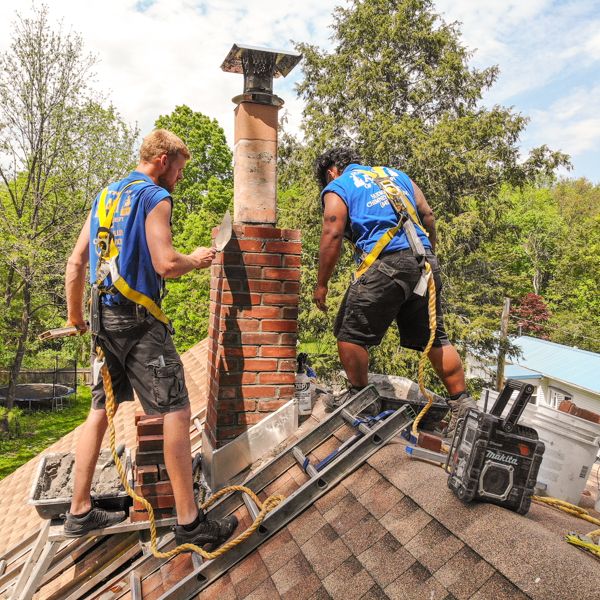
A cozy fireplace enhances the comfort and character of your home, but behind the warm fires is a system that needs regular maintenance. Your chimney toils away to exhaust smoke, gases, and combustion byproducts safely outside, so potentially hidden damage or obstructions can rapidly become hazardous. A regular chimney inspection service keeps your fireplace safe, efficient, and surprise-free and expensive.
Why Chimney Inspections Are Important
Fire safety: Inspections detect creosote buildup, cracks, or obstructions that ignite fires.
Carbon monoxide prevention: Unseen leaks might permit deadly gases inside.
Structural protection: Detection of moisture damage, rust, or crumbling mortar at an early stage avoids costly repairs.
Insurance and compliance: Most home insurance policies suggest or mandate yearly inspections.
Levels of Chimney Inspections
The National Fire Protection Association (NFPA) describes three levels of inspection:
Level 1
Simplified annual inspection for systems with no significant changes.
Checks visible portions such as the flue, firebox, and chimney exterior.
Level 2
Required when selling a house, following system modifications, or following an event such as fire or earthquake.
Involves video inspection of interior of the flue and areas accessible in attics, crawl spaces, and basements.
Level 3
Most thorough. Requires tearing down sections of the building (such as walls or chimney crown) to search for extensive damage.
Done when major hazards are suspected.
How Frequently Should You Have Inspections?
At least once a year prior to frequent use of your fireplace.
More frequently if you heavily use your fireplace, burn green/soft wood, or experience performance problems.
Following severe weather conditions (storms, earthquakes, lightning strikes).
What to Expect from a Professional Chimney Inspection
Visual inspection of chimney interior and exterior.
Detection of blockages, cracks, and creosote accumulation.
Employment of specialized cameras for thorough scanning.
Written report detailing findings and repair suggestions.
Benefits of Routine Chimney Inspections
Avoid fires by catching creosote buildup early.
Optimize efficiency of your heating system.
Avoid costly repairs due to undetected damage.
Peace of mind that your home and loved ones are protected.
Warning Signs You Have an Immediate Chimney Inspection Need
Smoke coming into your room rather than venting outside.
Heavy, unpleasant odors from your fireplace.
Creaks or cracks in bricks or mortar.
White staining (efflorescence) on the exterior of chimney.
Leaks or rust in or around the fireplace.
Chimney Inspection Costs
Level 1: $75 – $150
Level 2: $150 – $400
Level 3: $1,000+ (depending on extent of work)
Costs vary by location, chimney type, and accessibility.
DIY vs. Professional Chimney Inspection
DIY checks (like shining a flashlight into the flue) can help spot obvious problems.
But only certified chimney sweeps have the tools and training to detect hidden hazards.
Relying solely on DIY inspections risks missing dangerous issues.
Conclusion
A chimney can appear to be in good shape from the outside, but problems brewing inside can compromise your home’s safety and efficiency. Regular scheduling of chimney inspection services every year prevents issues from developing, keeps repairs small, and allows your family to use the fireplace without worry.
FAQs
- How frequently should I get my chimney inspected?
At least annually, even if you don’t use your fireplace frequently. - Do gas fireplaces also require chimney inspections?
Yes. Gas systems also create byproducts which can harm flues and must be vented correctly. - What if I avoid having my chimneys inspected?
You are exposing yourself to fire risks, carbon monoxide gas leaks, and costly structural damage. - Can I inspect my chimney myself?
You might be able to see obvious problems, but only technicians can conduct complete inspections using cameras and equipment. - Is sweeping the same as inspection?
No. Creosote and debris are removed by sweeping, and inspection determines structural and safety problems.
Read more chimney sweep