

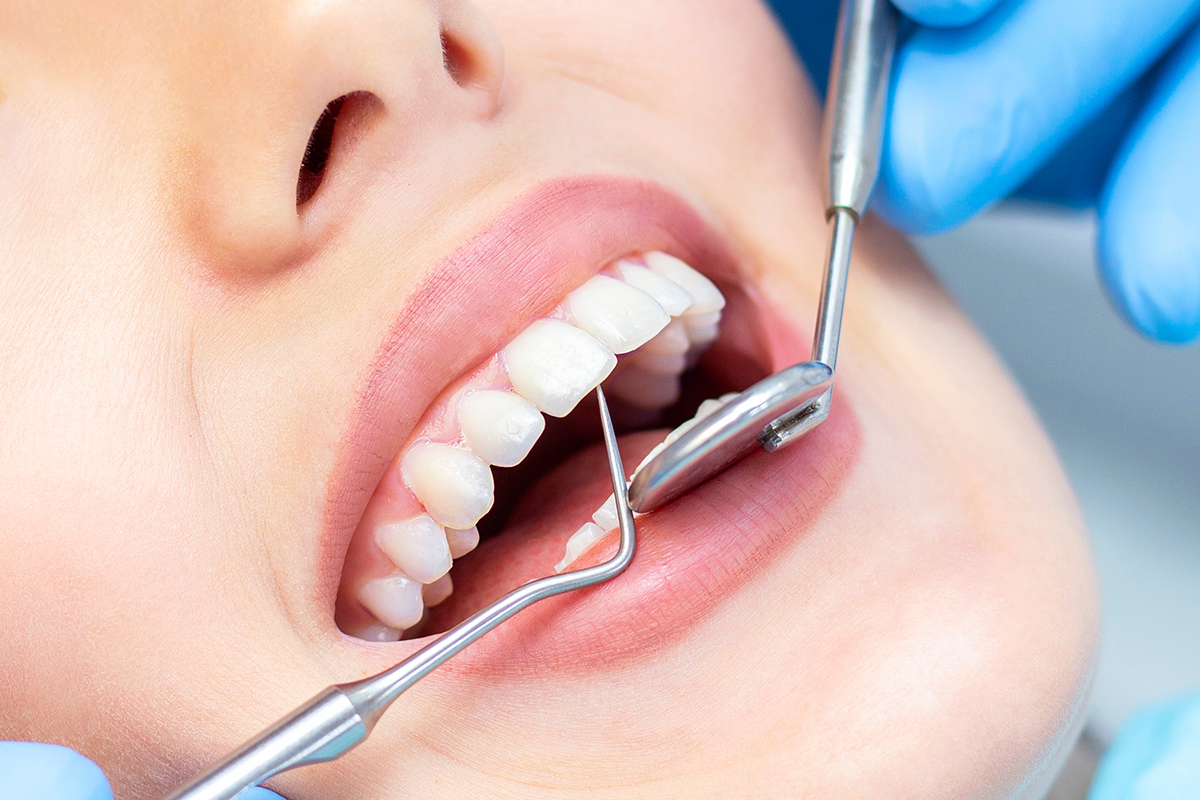
Oral health examinations are important not only for maintaining healthy teeth and gums but also for identifying unusual changes inside the mouth. People searching for Affordable Oral cancer screening in Brampton may want to understand how screening works, which warning signs to watch for, and why regular dental visits matter. Oral cancer screening is an examination that helps identify suspicious changes in the mouth, lips, tongue, and surrounding tissues. Early evaluation can help patients receive appropriate medical attention when something unusual is detected.
What Is Oral Cancer Screening?
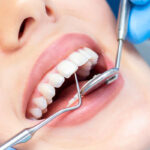
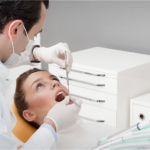
Oral cancer screening involves examining the mouth and surrounding tissues for abnormalities that may require further investigation. During the examination, a dental professional looks for unusual patches, sores, lumps, swelling, or changes in the appearance of oral tissues.
Screening is generally a visual and physical examination. If an unusual area is identified, the dentist may recommend further assessment or referral to an appropriate healthcare professional. A biopsy may be necessary to determine whether a suspicious area contains cancerous or precancerous cells.
It is important to understand that a screening examination does not diagnose oral cancer. Its purpose is to identify changes that may need additional evaluation.
Common Warning Signs of Oral Cancer
Recognising unusual changes in the mouth can help individuals seek professional advice sooner. Some possible warning signs include:
- Persistent mouth sores: A sore that does not heal within approximately two weeks should be evaluated.
- Red or white patches: Unusual patches on the tongue, gums, cheeks, or other oral tissues may require examination.
- Unexplained lumps: A lump or thickened area inside the mouth or neck should not be ignored.
- Difficulty swallowing: Persistent discomfort or difficulty when swallowing may require medical assessment.
- Changes in the tongue: Unusual pain, numbness, or movement difficulties deserve attention.
- Persistent throat discomfort: Ongoing throat pain or a feeling that something is stuck in the throat should be discussed with a healthcare professional.
These symptoms can have several causes and do not automatically indicate cancer. However, persistent or unexplained changes should always be assessed.
Understanding Risk Factors for Oral Cancer
Several factors may increase the risk of developing oral cancer. Understanding these factors can encourage individuals to pay closer attention to their oral health.
Tobacco Use
Smoking cigarettes, using smokeless tobacco, and other tobacco products are significant risk factors for oral cancer. Tobacco exposure can damage the cells lining the mouth and increase the likelihood of abnormal changes.
Avoiding tobacco is one of the most important steps individuals can take to reduce their risk.
Alcohol Consumption
Frequent and heavy alcohol consumption is another recognised risk factor. The combination of tobacco and alcohol use can increase the risk further.
Human Papillomavirus (HPV)
Certain types of human papillomavirus are associated with cancers affecting the back of the throat, including parts of the tongue and tonsils. HPV vaccination can help protect against several HPV-related cancers.
Age and Previous Medical History
The risk of oral cancer generally increases with age. Individuals with a previous history of oral cancer or certain precancerous conditions may also require closer monitoring.
However, oral cancer can affect younger individuals as well, so persistent symptoms should not be dismissed based on age alone.
What Happens During an Oral Cancer Screening?
An oral cancer screening is generally straightforward and does not usually require complicated preparation.
The dental professional may:
- Review medical history: Ask about relevant health conditions, tobacco and alcohol use, and any symptoms.
- Examine the lips and mouth: Look for unusual sores, patches, colour changes, or swelling.
- Check the tongue and cheeks: Examine different surfaces of the tongue and the inside of the cheeks.
- Assess the gums and palate: Look for abnormalities affecting the remaining oral tissues.
- Feel the neck and jaw area: Check for unusual lumps or swelling when appropriate.
- Recommend further evaluation: Suggest additional assessment if a suspicious area is identified.
The examination helps identify changes that may need attention, but further diagnostic testing is required to confirm a cancer diagnosis.
Why Regular Oral Cancer Screening Matters
Regular dental examinations provide an opportunity to monitor changes in oral tissues over time. Patients may not always notice unusual patches or small changes, particularly in areas that are difficult to see.
Screening can help bring these changes to attention and encourage timely follow-up. It is especially important for individuals with recognised risk factors or a history of oral health concerns.
Although evidence is still limited regarding whether routine screening reduces oral cancer deaths in asymptomatic adults at average risk, dental professionals can examine concerning symptoms and help patients understand when further investigation is needed.
How to Support Better Oral Health
Alongside professional dental examinations, several lifestyle habits can support overall oral health and help reduce certain cancer risks.
- Avoid smoking and all forms of tobacco.
- Limit or avoid alcohol consumption.
- Maintain regular dental examinations.
- Practise good brushing and flossing habits.
- Eat a balanced diet with plenty of fruits and vegetables.
- Discuss HPV vaccination with an appropriate healthcare professional.
- Seek assessment for persistent mouth sores or unexplained changes.
These habits support general health, although they cannot guarantee protection against oral cancer.
Choosing Affordable Oral Cancer Screening in Brampton
When exploring Affordable Oral cancer screening in Brampton, patients should consider more than the cost of an examination. Understanding what the screening includes and what happens if an unusual area is found is equally important.
Consider asking the dental clinic about:
- Whether an oral tissue examination is included in routine check-ups.
- What areas of the mouth and neck are examined.
- Whether additional diagnostic procedures may involve separate costs.
- What follow-up steps are recommended if an abnormality is identified.
- How frequently examinations should be scheduled based on individual risk factors.
Clear communication can help patients understand the screening process and make informed decisions about their oral health.
Oral Health Guidance at Gillingham Drive Dentistry Brampton
Regular dental visits are an opportunity to discuss changes in the mouth and receive professional guidance about oral health. Gillingham Drive Dentistry Brampton provides a local point of contact for individuals interested in maintaining their dental health and learning more about oral examinations.
Patients researching Affordable Oral cancer screening in Brampton can contact Gillingham Drive Dentistry Brampton to ask whether oral cancer examinations are available, what the assessment involves, and whether additional evaluation may be recommended based on their concerns.
Discussing persistent sores, unusual patches, or other changes with a dental professional is an important step toward understanding the appropriate next steps.
Final Thoughts
Oral cancer screening is an important part of understanding and monitoring oral health. Although screening cannot confirm a cancer diagnosis, it can help identify unusual changes that may require further investigation.
Knowing the warning signs, reducing recognised risk factors, and attending regular dental examinations can help individuals take a proactive approach to their health. Anyone experiencing a persistent mouth sore, unexplained lump, or unusual oral change should seek professional evaluation rather than waiting for symptoms to disappear.