

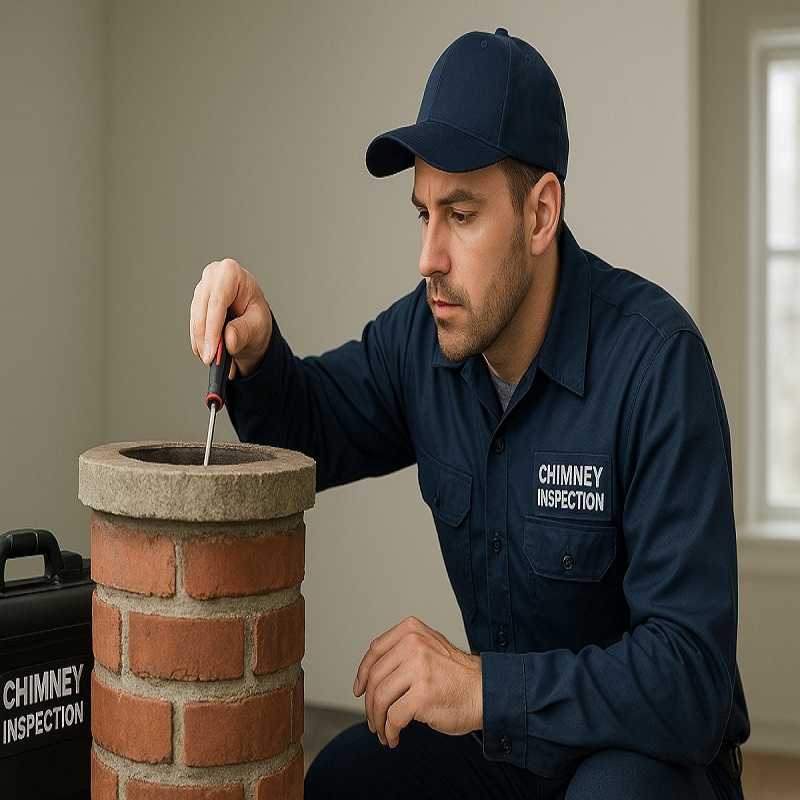
Ensuring your chimney is safe and fully functional is a critical aspect of maintaining a home with a fireplace. “With time, chimneys can build up soot, creosote, and debris that weaken their structure and increase fire risks.” Regular maintenance and professional assessment are essential for preventing accidents, safeguarding property, and ensuring optimal performance. Homeowners are encouraged to schedule routine chimney inspection to identify potential issues before they escalate.
Why It Matters
A chimney is more than just a vent for smoke it plays a crucial role in the overall safety and efficiency of your fireplace. Neglecting inspections can lead to hidden problems such as blockages, cracks, or corrosion, which may cause smoke to enter living areas or even start a fire. According to the National Fire Protection Association (NFPA), homes without regular chimney inspections are significantly more likely to experience chimney-related fires. Furthermore, a well-maintained chimney improves draft, reduces fuel consumption, and minimizes unpleasant odors caused by trapped residue. Regular inspections by certified professionals ensure that both the structure and operation of your chimney meet safety standards, making it a key preventative measure for every household.
Common Problems
Several issues can affect chimney performance and safety. Creosote buildup is one of the most common problems, forming a highly flammable layer inside the flue that can ignite if left untreated. Structural damage such as cracks in the masonry or corrosion of metal components can compromise the chimney’s stability, while blockages caused by bird nests, leaves, or debris can restrict airflow and create smoke hazards. Water infiltration is another concern; it can deteriorate bricks, mortar, and the chimney liner, ultimately increasing repair costs. Chimney caps and dampers, when damaged or missing, allow rain, animals, and debris to enter, further exacerbating risks. Regular inspections help identify these problems early, ensuring safe operation of your fireplace and chimney.
Key Benefits
Investing in professional chimney inspection provides multiple advantages. First and foremost, it enhances safety by reducing the risk of fires caused by creosote buildup or structural defects. It also extends the lifespan of the chimney by detecting damage before it becomes extensive. Improved efficiency is another benefit, as a clean and properly maintained chimney ensures optimal draft, reducing smoke and increasing heat output from the fireplace. Additionally, regular inspections help homeowners comply with insurance and safety regulations, often necessary for home sales or policy requirements. As one certified chimney service expert states,
“Routine inspections not only prevent costly repairs but also provide homeowners with peace of mind knowing their fireplace is safe and efficient.”
The Role of Chimney Inspection
Certified inspectors use specialized tools such as cameras, brushes, and cleaning kits to assess the condition of the chimney. The inspection process often identifies hidden problems that are not visible during routine maintenance, such as hairline cracks, flue obstructions, or internal corrosion. Depending on the findings, inspectors may recommend cleaning, repair, or replacement of components to ensure compliance with safety standards. The inspection also includes evaluation of chimney caps, dampers, and other protective features, which play a significant role in preventing wildlife intrusion and water damage. For local homeowners, scheduling services with a certified company ensures that all inspections and repairs are completed to professional standards.
Cost Breakdown
The cost of chimney inspection and related services can vary depending on the complexity, location, and type of chimney. Prices are generally competitive among local businesses, with additional charges applied for cleaning, repair, or replacement of damaged components.
| Service | Average Price | Notes |
|---|---|---|
| Basic Chimney Inspection | $100–$200 | Visual assessment of chimney structure and components |
| Level II Inspection | $200–$400 | Comprehensive inspection including internal camera evaluation |
| Chimney Cleaning | $150–$350 | Removal of soot, creosote, and debris using brushes and cleaning kits |
| Minor Repairs | $200–$600 | Masonry, damper, or cap repairs |
| Major Repairs | $1,000–$3,000+ | Extensive masonry or liner replacement |
Disclaimer: Prices are estimates and may vary based on city, company, and specific chimney requirements.
Key Features
Professional chimney inspections include a series of features designed to ensure safety and efficiency. These include evaluation of structural integrity, detection of creosote buildup, inspection of the damper and flue, assessment of caps and crowns, and identification of any animal or bird intrusions. Certified services also often include cleaning and minor repair recommendations, providing homeowners with a complete service package. Advanced tools such as inspection cameras, brushes, and cleaning kits are used to reach areas that are otherwise inaccessible, ensuring comprehensive coverage. Local companies offering these services are typically highly reviewed, emphasizing both reliability and quality of work.
Safety:
Regular chimney inspections are essential for maintaining a safe home environment. Chimneys can accumulate creosote, soot, and debris over time, which significantly increases the risk of chimney fires if left unchecked. A certified professional inspection ensures that structural elements, flue liners, dampers, and caps are all intact and functioning properly
Emergency:
If a chimney issue occurs suddenly, such as a fire, blockage, or structural damage, immediate action is crucial to prevent injury and property damage. In the event of a chimney fire, evacuate all occupants, call the fire department, and avoid attempting to extinguish it with water unless instructed by professionals.
FAQs
Q: How often should a chimney be inspected?
A: Most experts recommend annual inspections, especially for homes with frequent fireplace use.
Q: Can I inspect the chimney myself?
A: While basic visual checks can be performed, a professional inspection is necessary to detect hidden or hazardous issues.
Q: What is the difference between Level I and Level II inspections?
A: Level I is a standard visual check, while Level II includes more detailed analysis with specialized equipment, often required for real estate transactions.
Q: Are chimney inspections covered by insurance?
A: Some homeowner policies may cover certain inspections or repairs; always check with your insurance provider.
Q: How long does an inspection take?
A: Typically, 30 minutes to 2 hours depending on the chimney type and inspection level.
Conclusion
A chimney is an essential component of any fireplace, and regular inspection is vital to maintaining its safety, efficiency, and longevity. Ignoring this critical aspect of home maintenance can lead to fire hazards, structural damage, and costly repairs. By scheduling a professional chimney inspection, homeowners can ensure their fireplace operates safely, reduce the risk of emergencies, and comply with insurance and local safety regulations. The benefits, including improved efficiency, extended lifespan, and peace of mind, make inspection an invaluable service for any property with a fireplace.
Read More: Chimney Sweep