




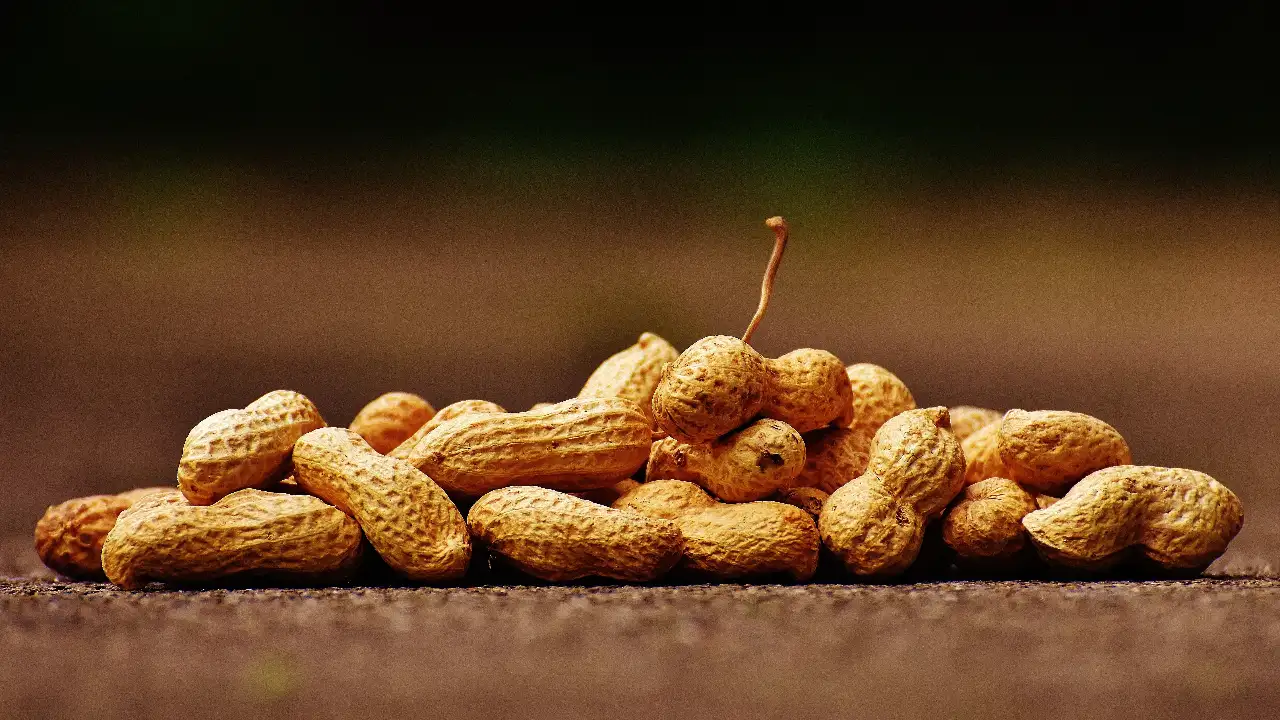
Peanuts and peanut butter offer plenty of protein, fiber and heart-healthy fats, as well as important vitamins and minerals like vitamin B, folate and niacin. They also have a low glycemic index and slow down digestion so that they can help balance blood sugar.
Peanuts contain brain boosting nutrients like Vitamin B1 and Niacin which helps keep your mind active and sharp. These nutrients are also known to protect you from diseases like Alzheimer’s and dementia.
1. High in Protein
Peanuts are rich in protein, a macronutrient that helps build and repair tissues. A one-ounce serving provides 7 grams of protein. A diet high in peanuts can help manage blood sugar levels and promote weight loss.
A good source of monounsaturated fats, peanuts can help lower cholesterol and prevent heart disease. They also contain a number of nutrients, including vitamin B3 (niacin), manganese and folate.
Nutritional facts show that peanuts are low in glycemic index and glycemic load, meaning they won’t spike blood sugar. The soluble fiber in peanuts slows down the digestive process, providing steady energy and helping you feel full.
Consuming a diet that is high in protein can provide several health benefits, although it’s impact the effectiveness of medications Vidalista 60 mg price. However, incorporating adequate protein into your diet can support overall health and well-being.
The phenolic acids in peanuts and their skins have been shown to possess antioxidant properties and provide disease prevention benefits. Peanuts and their skins are also a great source of phytosterols, resveratrol, and flavonoids, which can have a positive impact on health.
2. High in Fiber
Peanuts have plenty of dietary fiber that helps you feel full and satiated for longer. They also provide several essential vitamins and minerals. For example, an ounce of raw peanuts provides 3.4mg of niacin, vitamin E and a good amount of folate, potassium and magnesium. This is even more true if you opt for unsalted peanuts.
Although all carbohydrates raise your blood sugar levels, peanuts have a low glycemic index and contain heart-healthy fats along with fiber. This means that they can be a healthy snack for people with diabetes.
Moreover, peanuts are rich in nutrients that support a healthy heart including potassium, magnesium, calcium and iron. Additionally, they have a balanced ratio of heart-healthy monounsaturated fats and polyunsaturated fats.
In addition, regular consumption of peanuts can help prevent gallstones and lower your cholesterol level. They are also rich in a number of cancer-fighting phytochemicals like resveratrol and flavonoids. Roasting/boiling peanuts enhances the bioavailability of these antioxidants.
Additionally, they have sufficient levels of soluble fibre that facilitates effective digestive function. In fact, a diet containing high amounts of soluble fibre may reduce the risk of constipation and other gastrointestinal disorders.
3. Low in Calories
Peanuts and their products are low in calories and fat, making them a nutritious snack that can help control weight. They also contain healthy fats, including heart-healthy monounsaturated fatty acids.
Those who are watching their cholesterol may be interested to know that regular consumption of peanuts can reduce LDL or “bad” cholesterol levels and increase HDL or “good” cholesterol levels.
Peanut kernels contain protein and carbohydrate, which are the body’s main energy sources. They also provide a variety of vitamins, minerals, and antioxidants.
In addition, peanuts are an excellent source of dietary fiber and several B-complex vitamins, including niacin, thiamin, pantothenic acid, vitamin B-6, and folates. An ounce of peanuts provides 4.1mg of niacin, which is an important nutrient for promoting cardiovascular health.
In addition to the nutrients listed above, peanuts and their products are rich in a wide variety of plant compounds called phytonutrients, which have been shown to have disease preventative properties and promote overall well-being. This includes the plant compound resveratrol, which is believed to reduce the risk of cancer and inflammation.
4. Heart-Healthy Fats
Peanuts contain a large proportion of heart-healthy monounsaturated fat and balanced levels of polyunsaturated fats. They are also rich in dietary fiber, protein, Vitamins B, C, E and minerals such as folate, manganese, magnesium, iron, potassium and zinc.
Consuming heart-healthy fats in your diet can offer several benefits for cardiovascular health, it’s not impact the effectiveness of medications Vidalista 60 online. However, incorporating these fats into your diet can support overall well-being
The heart-healthy fats in peanuts (especially the unsaturated variety) may help lower LDL or “bad” cholesterol levels and raise HDL or “good” cholesterol, which can decrease your risk of heart disease. They are also a good source of plant-based omega-3 fats, which may improve cardiovascular health.
Peanuts are a source of protein, a nutrient that promotes muscle development and aids in weight control and healthy skin. Protein is essential for growth and maintenance of body tissues and for regulating blood sugar levels.
It also helps reduce hunger and promotes satiety. Peanuts are also a good source of vitamin B1 and niacin, which are important for energy metabolism in the brain and nervous system. They also contain a beneficial bioactive compound called resveratrol, which may prevent cancer by inhibiting cell division and increasing apoptosis.
5. Low in Sodium
Peanuts (Arachis hypogea) also known as groundnuts or goobers are nutrient-rich food and good source of protein, fiber, vitamins and minerals. They contain more of the healthful monounsaturated fats than saturated ones, making them better for the heart than many other nut foods.
They are also a great source of antioxidants, especially vitamin E, which may help slow the aging process and manage ed or use Fildena 150 mg. They promote healthy skin, enhance eye health, help in regulating blood sugar levels, aid weight loss and prevent gallstones.
Roasted salted peanuts have only 119mg sodium per serving, enough to meet the American Heart Association’s requirements for low-sodium diets. Whether you eat them raw, roasted, salted or peanut butter, they are good for your health!