


When businesses replace computers, servers, laptops, and networking equipment, deciding what to do with the retired devices requires careful planning. These assets may contain confidential information, reusable components, and materials that need appropriate handling. Working with a Certified E-Waste Recycling Company can help businesses organize equipment collection, protect sensitive data, and identify suitable routes for reuse or recycling.
Secure recycling involves more than removing unwanted technology from an office. Businesses must consider which devices can be reused, how information will be erased, and how equipment will be processed after collection. Understanding these steps helps organizations make informed decisions while keeping their clearance process organized and accountable.
Understanding Secure Recycling for Retired IT Assets
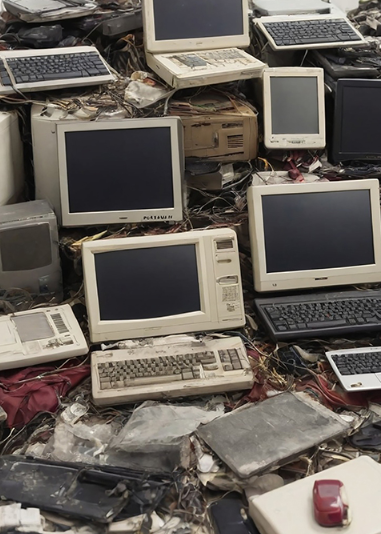
Retired IT assets include electronic devices that businesses no longer need for daily operations. These may include desktop computers, laptops, servers, printers, monitors, storage devices, switches, and routers. Equipment often becomes surplus after office upgrades, system replacements, relocations, or changes in operational requirements.
Secure recycling begins by assessing the equipment and determining its next destination. Functional devices may be suitable for refurbishment and resale, while damaged or unsuitable equipment can enter responsible electronic waste recycling channels. Businesses should also identify storage devices containing confidential information before arranging collection, ensuring data security remains part of the process from the beginning.
Why Businesses Need a Secure Recycling Process
Improper handling of retired IT equipment can create information security concerns. Old computers and storage devices may retain business documents, customer records, login information, and other sensitive files. Simply deleting visible files does not necessarily remove all stored information, making suitable data sanitization important before equipment is reused or recycled.
An organized recycling process also helps businesses manage equipment more efficiently. Keeping inventory records, confirming collection arrangements, and understanding how devices will be handled can reduce confusion during clearance. For organizations with multiple departments or large quantities of hardware, these preparations make it easier to coordinate responsibilities and maintain a clear record of retired assets.
Steps to Arrange Secure IT Equipment Recycling
Businesses can simplify the process by preparing their equipment, reviewing available services, and establishing clear expectations before collection.
1. Identify Equipment Ready for Retirement
Start by identifying devices that are no longer required. Separate computers, laptops, servers, printers, and networking equipment into suitable groups. Record their quantities and general condition so the recycling provider can understand the scope of the collection.
2. Prepare an Accurate Inventory
An inventory helps businesses track the equipment being removed from their premises. Include available model details, device types, and any known damage. For larger collections, assign a responsible team member to coordinate the list and verify the equipment during handover.
3. Review Data Security Requirements
Identify hard drives, SSDs, and other storage media that may contain confidential information. Determine whether data wiping or physical destruction is appropriate for each device. Businesses should also ask about available documentation to support internal information security procedures.
4. Confirm Collection and Handling Arrangements
Discuss the equipment quantity, collection location, preferred schedule, and any access requirements with the recycling provider. For large clearances, coordination can help reduce disruption to normal operations. Confirming these details beforehand also helps avoid misunderstandings during handover.
5. Understand the Equipment’s Next Destination
Ask how working and non-working devices will be handled after collection. Functional equipment may be refurbished and resold, while unsuitable items can be directed into responsible recycling channels. Understanding these options helps businesses choose a process that considers both equipment value and responsible disposal.
Choosing a Suitable Recycling Service
When comparing providers, businesses should look beyond collection convenience. A Certified E-Waste Recycling Company should clearly explain its data security procedures, equipment acceptance requirements, collection arrangements, and available documentation. These details help organizations understand how their retired assets will be handled and whether the service meets their operational needs.
Businesses seeking E-waste recycling in Dubai should also check whether the provider can collect equipment from their premises and accommodate the volume involved. IT Scrap Buyer offers IT equipment purchasing, free pickup across the UAE, and data destruction options. Reviewing these service details before confirming a collection can help businesses plan a smoother clearance process.
Checklist Before Scheduling Equipment Collection
Use this checklist to prepare retired IT assets before handing them over.
- Identify all equipment scheduled for retirement.
- Record device types, quantities, and general condition.
- Separate storage devices that may contain sensitive information.
- Arrange suitable data wiping or physical destruction.
- Confirm collection details and access arrangements.
- Review valuation and payment terms when selling equipment.
- Ask about available data destruction documentation.
- Keep relevant inventory and handover records.
Completing these checks helps teams prepare equipment systematically and understand their responsibilities before collection begins. It also supports clearer communication between the business and the recycling provider.
What Happens After Retired Equipment Is Collected?
After collection, equipment can be assessed according to its condition and potential for continued use. Devices that remain functional may be refurbished and resold, while other electronics can be processed through responsible recycling channels. This approach helps distinguish reusable equipment from items requiring further processing and material recovery.
Data security remains important throughout the transition. Businesses should confirm that appropriate wiping or destruction procedures have been completed for relevant storage devices. Retaining available documentation and updating internal asset records can also help organizations track retired equipment and maintain a clear record of the clearance process.
Conclusion
Arranging secure recycling for retired IT assets requires careful preparation, accurate records, suitable data destruction, and clear collection arrangements. By understanding how equipment will be assessed and processed, businesses can protect sensitive information while directing unwanted technology toward reuse or responsible recycling.
For businesses seeking E-waste recycling in Dubai services, IT Scrap Buyer offers a practical option for managing unwanted computers, laptops, servers, networking devices, and other IT equipment. Its services include equipment purchasing, corporate buyback programs, secure data destruction, and free pickup across the UAE. With convenient collection and support for equipment clearance, IT Scrap Buyer helps organizations manage retired IT assets while exploring opportunities to recover value and ensure responsible handling.