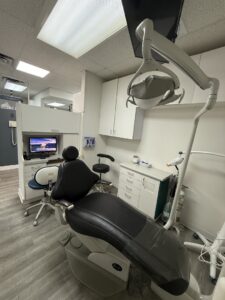




Maintaining a healthy smile involves more than brushing and flossing every day. Regular dental care helps protect your teeth and gums, identify potential concerns early, and support good oral health over time. General dentistry focuses on the essential services people need throughout different stages of life, from routine checkups and cleanings to preventive and restorative care.
Understanding what general dentistry includes can help patients make informed decisions about their oral health and recognize when it may be time to schedule a dental appointment.
What Is General Dentistry?
General dentistry refers to a broad range of dental services designed to maintain, protect, and restore oral health. It serves patients of different ages and can address common dental concerns before they become more complicated.
Routine general dental care may include:
- Dental examinations and checkups
- Professional teeth cleanings
- Digital dental X-rays
- Cavity detection and fillings
- Gum health evaluations
- Preventive dental care
- Restorative treatments
- Oral health education
Regular visits allow dental professionals to monitor changes in the mouth and recommend appropriate care based on individual needs.
Why Are Regular Dental Visits Important?
Many dental problems do not cause noticeable symptoms during their early stages. A small cavity, developing gum disease, or other oral health concern may remain unnoticed until it becomes more uncomfortable or difficult to treat.
Routine dental appointments provide an opportunity to identify these issues early. Professional cleanings also help remove plaque and tartar that regular brushing and flossing may not completely eliminate.
Consistent dental care can support:
- Healthier teeth and gums
- Early detection of dental concerns
- Better oral hygiene
- Reduced risk of tooth decay
- Improved gum health
- Long-term maintenance of natural teeth
Common Services in General Dentistry
General dentistry covers several areas of everyday dental care. The specific treatments recommended depend on a patient’s oral health and individual circumstances.
Dental Exams and Cleanings
Routine examinations allow dental professionals to evaluate the condition of the teeth, gums, and surrounding structures. Cleanings help remove accumulated plaque and tartar while supporting healthier gums.
Dental Fillings
When tooth decay creates a cavity, a filling can help restore the affected area and protect the tooth from further damage. Treating decay earlier may help prevent the need for more extensive treatment.
Digital X-Rays
Dental X-rays can provide information that may not be visible during a standard examination. They can help dental professionals evaluate areas beneath the gums and between teeth when additional diagnostic information is needed.
Gum Care
Healthy gums are an important part of overall oral health. General dental appointments can include assessments for signs of gum inflammation, bleeding, or other concerns that may require attention.
Preventive Dental Care
Preventive care focuses on reducing the likelihood of future dental problems. Along with professional cleanings and examinations, patients may receive guidance about brushing, flossing, diet, and other daily habits.
General Dentistry for Different Ages
Dental needs can change throughout life. Children may require guidance on developing healthy brushing habits, while adults may need ongoing preventive and restorative care. Older adults can also benefit from regular examinations to monitor changes in their teeth, gums, and overall oral health.
A consistent dental routine makes it easier to identify changing needs and maintain appropriate care over time.
How to Maintain Your Oral Health Between Appointments
Dental visits are only one part of maintaining a healthy smile. Daily habits also play an important role.
Patients can support their oral health by:
- Brushing their teeth twice a day with fluoride toothpaste.
- Cleaning between the teeth regularly with floss or another recommended method.
- Limiting frequent consumption of sugary foods and drinks.
- Drinking water regularly.
- Replacing toothbrushes when the bristles become worn.
- Scheduling regular dental examinations and professional cleanings.
- Contacting a dental professional when unusual pain, swelling, bleeding, or sensitivity develops.
Small habits practiced consistently can make a meaningful difference to long-term oral health.
Choosing a Dental Practice for Ongoing Care
When selecting a dental practice, patients may want to consider the range of services available, the experience of the dental team, appointment convenience, communication, and the overall approach to patient care.
A practice such as Granville Dental Wellness Group can be considered as part of a patient’s search for ongoing dental care. The most suitable approach depends on individual oral health needs and the recommendations provided during a dental consultation.
Final Thoughts
General dentistry provides the foundation for maintaining healthy teeth and gums. Regular examinations, professional cleanings, preventive care, and timely treatment can help identify concerns early and support long-term oral health.
Rather than waiting until a dental problem becomes uncomfortable, maintaining a consistent dental care routine can help protect your smile and make oral health a regular part of your overall wellness.