



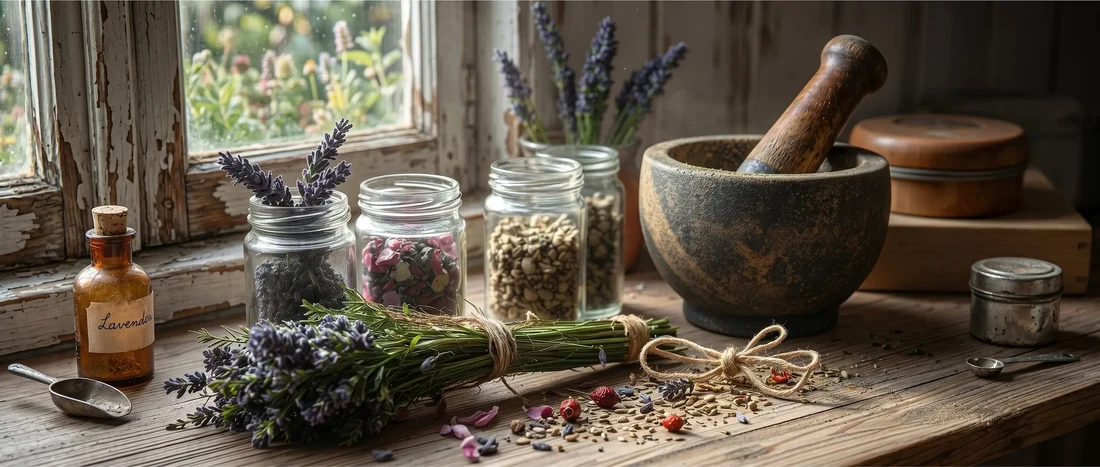
Across many cultures, plants have been respected not simply as natural resources, but as teachers, symbols, and sacred elements within spiritual traditions. The concept of plant medicine sacraments reflects this deeper relationship between people, nature, ceremony, and personal reflection.
For the Kamentsa Inga Church – The Soul of the Hummingbird, plant medicine is approached within a ceremonial and spiritual framework rooted in ancestral traditions of the Colombian Amazon. The church describes its purpose as supporting transformation and spiritual evolution through communion with the Divine Creator and sacred ceremonies involving plant medicine.
Understanding plant medicine sacraments therefore requires more than focusing on a particular plant. It involves considering the cultural traditions surrounding the medicine, the ceremonial environment, the guidance provided by experienced practitioners, and the personal meaning participants bring to the experience.
What Are Plant Medicine Sacraments?
Plant medicine sacraments are natural substances used within a spiritual or ceremonial context by particular communities and traditions. The word “sacrament” emphasizes the sacred role these substances can have rather than treating them simply as recreational products.
In traditional settings, ceremonies may incorporate prayer, music, meditation, cleansing practices, sacred plants, incense, and community reflection. The purpose can vary between traditions, but often centers on spiritual connection, self-reflection, gratitude, and a deeper relationship with nature.
At Kamentsa Inga Church, the plant medicine tradition includes Ayahuasca-Yage as well as other sacred elements associated with Colombian Amazonian ceremonial practices. The church presents these practices as part of a broader spiritual path rather than as an isolated experience.
This distinction is important. A plant used in a sacred ceremony carries cultural and spiritual significance that may be lost when it is separated from its traditional context.
Ayahuasca-Yage as a Central Sacrament
Among the plant medicine sacraments associated with Kamentsa Inga Church is Ayahuasca-Yage. The church describes Ayahuasca-Yage as a preparation involving the Ayahuasca vine and another Amazonian plant, with the specific companion plant varying by region.
Within the church’s ceremonial framework, Ayahuasca-Yage is approached as a sacred medicine. The experience is surrounded by prayer, traditional songs, cleansing practices, meditation, and guidance.
The ceremonial structure described by Kamentsa Inga Church begins with an opening prayer expressing gratitude to the Great Spirit, the elements, nature, ancestors, and spiritual teachers. Participants are then prepared for the ceremony before the sacrament is shared.
This structure demonstrates why plant medicine sacraments cannot be understood only through their physical effects. Ceremony creates a setting in which participants are encouraged to approach the experience intentionally and respectfully.
The Role of Rapé, Tobacco, and Sacred Incense
The tradition extends beyond Ayahuasca-Yage. Kamentsa Inga Church also identifies rapé, tobacco, incense, and plants used for physical cleansing among its sacred ceremonial elements.
Rapé is traditionally associated with shamanic practices and is described by the church as a tool for intention and preparation. Tobacco also holds an important place in certain Indigenous and Amazonian traditions, where it can have ceremonial significance.
Incense is another meaningful part of the ceremonial environment. The church specifically describes the use of copal and other plant-based incenses associated with Colombian Amazonian Ayahuasca-Yage ceremonies.
These elements can help establish a distinct atmosphere before and during ceremony. More importantly, they reflect the broader worldview in which natural materials are treated with respect and incorporated into ritual practices.
Ceremony Creates the Context
One of the defining characteristics of plant medicine sacraments is the importance of context. The same natural substance can have a very different meaning when approached casually compared with when it is incorporated into a structured spiritual ceremony.
Kamentsa Inga Church explains that its ceremonies take place in a sacred environment, often around a fire and outdoors unless circumstances require otherwise. The process includes preparation, prayer, cleansing, music, meditation, the sharing of the sacrament, and closing practices.
Traditional music is particularly important. The ceremony may incorporate ancestral chants known as ikaros, along with instruments such as drums, harmonicas, guairas, and seed rattles. These sounds form part of the ceremonial atmosphere and help maintain continuity with ancestral practices.
Rather than presenting the ceremony as a single moment, this approach treats it as a complete journey—from preparation and intention to participation, reflection, and integration.
Intention and Personal Reflection
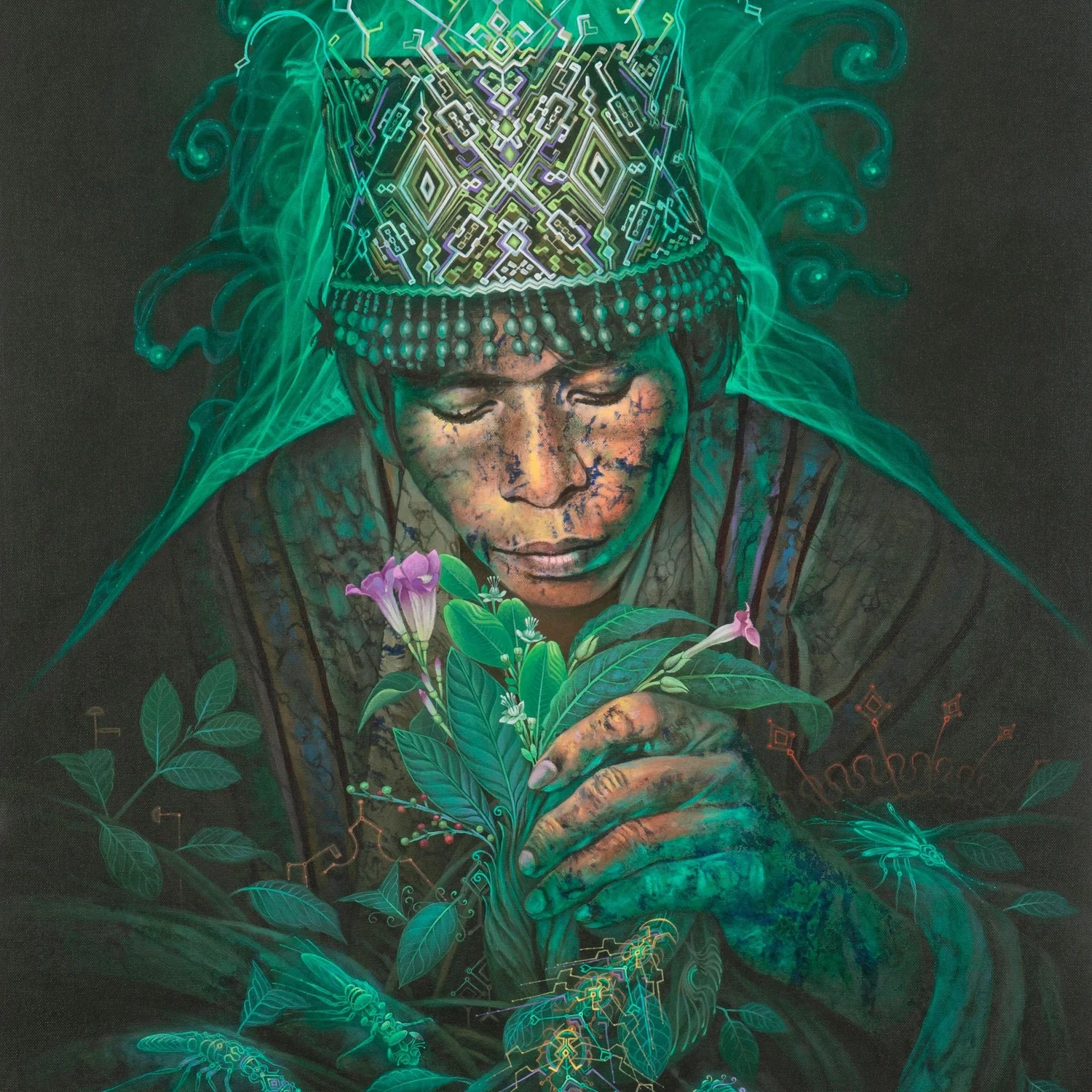
A meaningful approach to plant medicine sacraments begins with intention. Participants may enter a ceremony with questions about their lives, relationships, spiritual direction, personal values, or connection with nature.
However, intention should not be confused with expectation. A spiritual ceremony cannot guarantee a particular emotional or psychological outcome. Every individual’s experience can be different, and responsible participation requires openness to that uncertainty.
The ceremonial approach used by Kamentsa Inga Church places emphasis on preparing participants before the experience. The church describes introductory guidance about possible reactions and provides space for participants to establish personal intentions before the sacrament is shared.
This preparation can help participants approach the experience with greater awareness rather than treating it as entertainment or a quick solution.
The Importance of Experienced Guidance
Traditional plant medicine ceremonies can involve intense physical, emotional, and psychological experiences. For that reason, knowledgeable ceremonial leadership and responsible participant support are important considerations.
Kamentsa Inga Church’s team includes Taita Hector Ortiz, who the organization describes as having studied ancestral Amazonian traditions related to Ayahuasca-Yage beginning in 2002 under teachers from Inga and Kamentsa communities. The church states that he was ordained as a Taita in 2009.
The church also describes support from disciples and assistants who help maintain the ceremonial environment and assist participants during ceremonies.
For anyone exploring plant medicine traditions, researching the background, training, cultural relationship, and practices of ceremony leaders is an important part of making an informed decision.
Safety, Responsibility, and Preparation
Interest in plant medicine should always be accompanied by responsibility. Natural does not automatically mean safe for every person. Substances associated with ceremonial practices can have significant effects and may interact with medications, health conditions, or other substances.
Anyone considering participation should disclose relevant medical information to qualified professionals and ceremonial organizers, follow applicable laws, and understand the potential risks before participating. Individuals should never assume that a spiritual context eliminates physical or psychological risks.
It is also important to distinguish spiritual claims from established medical evidence. Plant medicine traditions may carry profound cultural and personal meaning, but spiritual experiences should not automatically be presented as guaranteed medical treatments.
A respectful organization should encourage informed participation rather than pressure individuals into taking part.
Integration After the Ceremony
The journey does not necessarily end when the ceremony ends. Integration—the process of reflecting on an experience and considering how its lessons relate to everyday life—can be an important part of a spiritual practice.
Kamentsa Inga Church describes an integration circle after its ceremonies. Participants are given an opportunity to share their experiences with the community, while individual post-integration sessions may also be available for people who prefer a more personal setting.
This focus on integration is significant because powerful experiences can raise questions that take time to understand. Journaling, quiet reflection, supportive conversations, and healthy daily routines can help people process what they experienced without rushing to assign a meaning.
The most valuable outcome may not be the intensity of the ceremony itself, but the thoughtful choices that follow it.
Kamentsa Inga Church – The Soul of the Hummingbird
Kamentsa Inga Church – The Soul of the Hummingbird presents plant medicine within a spiritual framework connected to Colombian Amazonian traditions. Its stated mission focuses on transformation, spiritual evolution, and communion with the Divine Creator.
The organization emphasizes ancestral knowledge, sacred ceremony, community, and the respectful relationship between people and plants. Its approach combines traditional elements with structured ceremonial practices, including preparation, prayer, music, cleansing, meditation, integration, and closing rituals.
The symbolism of the hummingbird can also be understood as part of this spiritual perspective: a reminder of movement, connection, vitality, and the relationship between the natural world and human consciousness.
For people researching plant medicine sacraments, learning about Kamentsa Inga Church can provide insight into how one spiritual community understands these practices.
Respecting Ancestral Knowledge
Modern interest in plant medicine has grown considerably, but it is essential to recognize that these traditions did not begin with modern wellness culture. Indigenous and Amazonian communities have developed complex relationships with plants, ceremony, spirituality, and community over generations.
Respect means avoiding the reduction of sacred traditions to trends or products. It means learning about cultural origins, listening to traditional practitioners, and recognizing that ceremonial knowledge has meaning beyond the experience of an individual participant.
Kamentsa Inga Church identifies its practices with ancestral Colombian Amazonian culture and specifically references teachers and traditions from Inga and Kamentsa communities.
Approaching these traditions with humility allows people to learn without assuming that every aspect can be separated from its cultural context.
A Thoughtful Approach to Plant Medicine
Plant medicine sacraments occupy a unique space where nature, spirituality, culture, ceremony, and personal reflection meet. For some people, these traditions may inspire deeper questions about consciousness and their relationship with the world around them.
Yet the most responsible approach is one grounded in education, respect, preparation, and realistic expectations.
The ceremonial philosophy of Kamentsa Inga Church demonstrates how plant medicine can be situated within a broader spiritual practice rather than viewed as a standalone event. From opening prayers and traditional songs to cleansing rituals and integration circles, each stage contributes to the overall ceremonial experience.
For those interested in learning more, the focus should remain on understanding the tradition, respecting its origins, considering safety, and approaching personal experiences with patience.
Conclusion
Plant medicine sacraments represent a longstanding relationship between humans, plants, spirituality, and ceremonial practice. Ayahuasca-Yage, rapé, tobacco, incense, and other sacred elements can hold specific meanings within traditions that have developed over generations.
At Kamentsa Inga Church – The Soul of the Hummingbird, these practices are presented within a structured ceremonial environment influenced by Colombian Amazonian ancestral traditions. The emphasis on prayer, preparation, sacred music, guidance, community, and integration illustrates that the experience is intended to be approached as a spiritual journey rather than simply an encounter with a natural substance.
Anyone exploring plant medicine should take time to educate themselves, understand potential risks, respect cultural traditions, and make informed decisions. When approached thoughtfully, learning about plant medicine sacraments can also become an opportunity to explore the deeper connections between nature, spirituality, community, and personal reflection.