

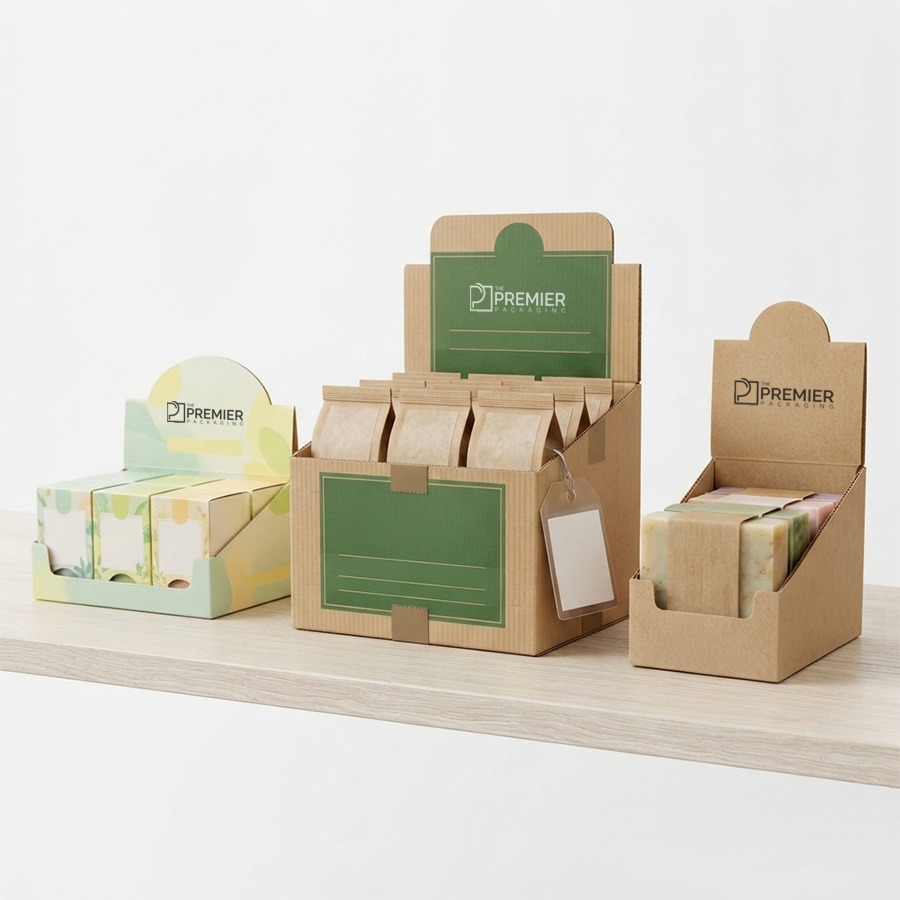
A friend of mine opened a small skincare shop last year, and about two months in, she called me pretty frustrated. She’d bought a batch of display boxes because they looked great in the supplier’s photos, but once they landed in her store, half of them didn’t fit on her shelves, and the ones that did made her products look cramped rather than appealing. She ended up reordering from scratch, which cost her both money and time she didn’t really have.
Stuff like this happens more than people admit. Display boxes seem simple on paper: put the product in the box, put the box on the shelf, done. But there’s more to it than that, and skipping the thinking part usually means paying for it later, either in wasted money or in sales you never realized you were losing. Before you order a batch for your own shop, there are three things worth understanding first.
- Not Every Box Fits Every Product (or Every Shelf)
This sounds obvious until you’re the one standing in a stockroom with boxes that technically hold your product but look wrong doing it. Size mismatches are probably the most common mistake shop owners make when they buy display boxes without measuring things out properly first.
A few things tend to go wrong here:
- The box is too deep, so items sit far back and get hidden from view
- The box is too shallow, so taller products stick out awkwardly or tip over
- The box doesn’t match the shelf depth, wasting space or crowding the display
It’s not just about whether the product physically fits. It’s about whether it looks good once it’s in there. A box that’s slightly too big leaves gaps that make a display look half-empty, even when it isn’t. A box that’s slightly too small makes everything look stuffed in, like there wasn’t enough planning behind it.
Before ordering anything, it genuinely helps to measure your actual shelf or counter space, and then measure your product too height, width, how it sits, whether it needs to lie flat or stand upright. Sounds tedious, but it saves a lot of backtracking later.
- Material Choice Changes More Than You’d Expect
People tend to think of display box material as a style decision, but honestly, it’s more functional than that. The material you choose affects durability, product protection, box weight, and even how premium the display looks overall.
Cardboard is the most common choice for a reason. It’s affordable, easy to print on, and works fine for lighter products that don’t need much structural support. But it’s not indestructible. Cheap or thin cardboard can bend, especially if products are heavy or the box is handled frequently during restocking.
Acrylic and rigid board are a step up. They hold their shape better, look more polished, and last longer under regular use, but they cost more and aren’t always necessary, depending on what you’re selling. A candy shop probably doesn’t need acrylic display cases for everything. A jewelry counter or a premium skincare line might actually benefit from that extra structure and shine.
There’s also a practical side to this that gets overlooked: how the box holds up during shipping and setup, not just once it’s sitting on a shelf. If you’re moving displays between locations or setting up seasonal pop-ups, flimsy material can fall apart faster than expected, and that’s an annoying problem to run into mid-season.
- Custom Isn’t Always More Expensive Than People Assume
A lot of shop owners avoid custom display boxes because they assume it’s going to cost way more than buying something generic off the shelf. Sometimes that’s true, especially for small one-off orders. But once you’re ordering in any real volume, the math tends to shift.
Buy custom display boxes wholesale usually brings the per-unit cost down significantly, sometimes close to what generic packaging would cost anyway. And the upside is obvious — you’re not stuck with a plain box that looks like it came from a warehouse. You get sizing that actually matches your product, branding that fits your shop, and a display that doesn’t look like it was borrowed from elsewhere.
This matters more than it might seem at first. Generic display boxes tend to blur together in a customer’s mind. Custom ones, especially when they carry your logo or color scheme, help build recognition over time. Someone who remembers your distinctive display is more likely to remember your shop the next time they’re out shopping.
The mistake a lot of owners make is assuming custom means expensive and slow, so they never actually check pricing before ruling it out. It’s worth getting a quote before deciding it’s out of budget, because wholesale pricing structures often make it more realistic than expected, even for smaller shops.
A Few Extra Things Worth Keeping in Mind
Beyond the three main points above, a handful of smaller details tend to trip people up, too:
- Lead time matters. Custom orders take longer than grabbing something off the shelf, so plan ahead for seasonal launches rather than ordering at the last minute.
- Lighting affects how a box looks. A display that looked great in a photo under store lighting might look completely different under your store’s actual lights.
- Minimum order quantities vary a lot. Some suppliers require large minimums, which isn’t ideal for a smaller shop still testing what works.
- Reordering should be simple. If a design works well, you’ll want to reorder it easily later without having to start the whole process from scratch.
None of these are deal-breakers on their own, but ignoring them tends to cause the same kind of frustration my friend experienced with her skincare shop.
Final Thoughts
Display boxes look like a small, almost forgettable part of running a shop, right up until they’re wrong. Wrong size, wrong material, wrong budget assumptions, any one of these can turn a simple purchase into a costly redo. Taking a little extra time upfront, measuring properly, thinking through material needs, and actually checking custom pricing before ruling it out saves a lot of hassle down the road.
It’s a small decision that ends up shaping how your products are seen every single day they sit on that shelf. Worth getting right the first time.