


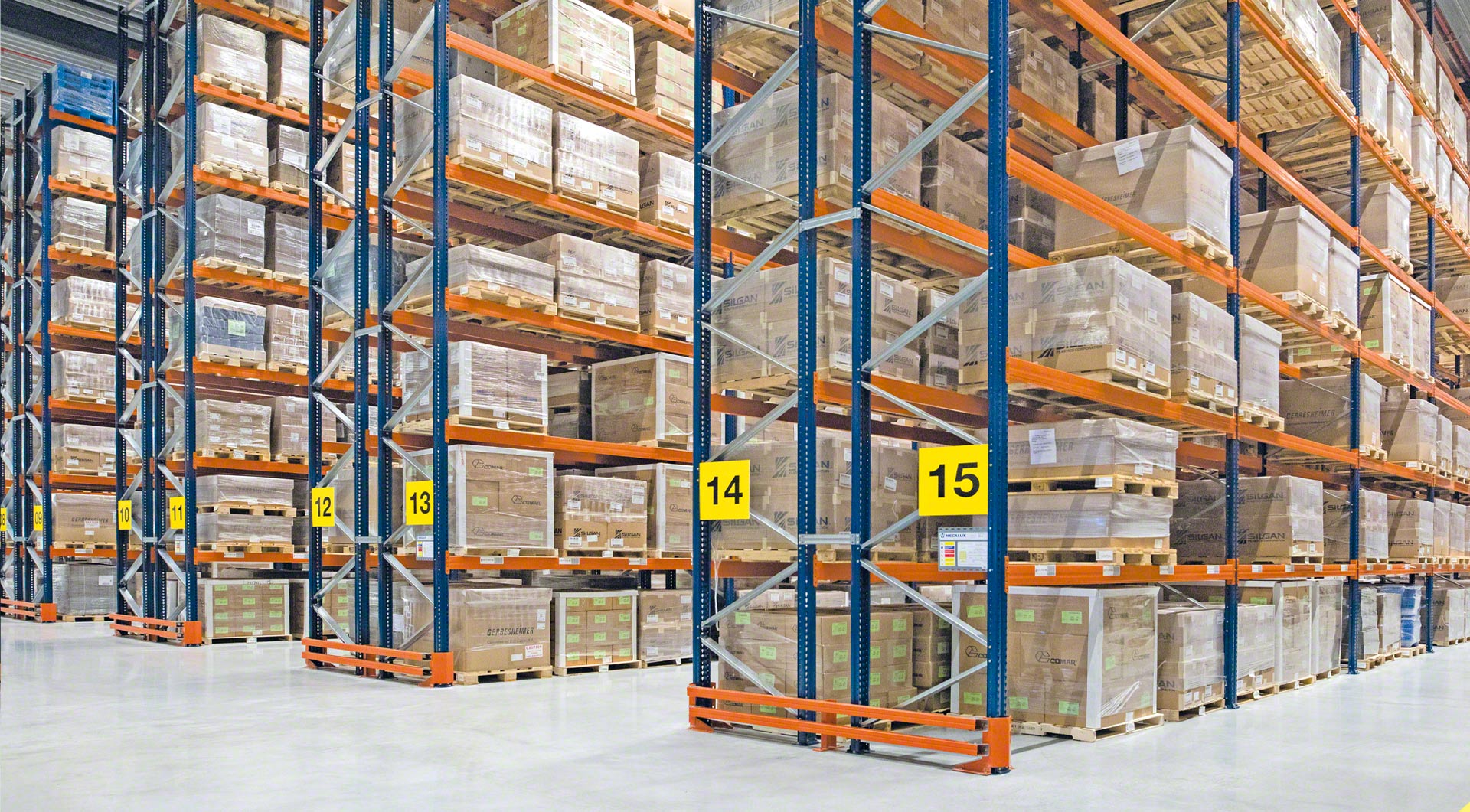
Warehouse racking is one of the main components of effective warehouse space management. Containing and maintaining rack furniture is extremely important for a neat and organized inventory. Many managers need to take necessary measures, including safety and efficiency.
Ensure your warehouse management efficiency by following these management tips:
Organize for Safety
Regarding warehouse management, organizing for safety should be your top priority. You can maintain a secure warehouse for your employees and inventory by taking a few simple precautions.
Here are a few tips to help you get started:
ü Inspect your racks regularly. Look for any signs of damage or wear and tear, and ensure that all connections are secure.
ü Use the proper storage methods for different types of inventory. Keep heavier items on lower shelves and use bins or wire mesh containers for smaller items.
ü Label all shelves and racks to reduce accidents and identify things easily.
Plan the Layout of the Warehouse Space
When it comes to warehouse racking, efficiency is critical. Planning the layout of your warehouse space helps you use your racks to their full potential and makes inventory accessible.
Here are a few tips to help you plan the layout of your warehouse space:
ü Consider the size and shape of your warehouse space. You’ll need to consider your warehouse’s dimensions when planning the layout. Ensure enough room for aisles, storage areas, and equipment or vehicles to access the racks.
ü Determine the type of racks you need. There are many different racks available and choosing the ones that best suit your needs is essential. You’ll need sturdier shelves to support the weight if you’re storing heavy items.
ü Decide how you want to arrange your racks. There are several ways for industrial shelving in a warehouse. It is essential to consider the best option for your particular space and needs. You may want to arrange them in rows or clusters depending on how much space you have and how often you need to access specific items.
ü Utilize vertical space. In a warehouse, vertical space is just as important as horizontal space. By utilizing high ceilings and stacking racks, you can better use the available space and increase efficiency.
Reduce Clutter and Inventory That Doesn’t Sell
Inventory management is a critical component of warehouse racking efficiency. Too much inventory can lead to clutter and decreased sales and too little stock can result in stock-outs and lost sales.
There are a few ways to reduce clutter and inventory that doesn’t sell:
ü Conduct regular inventory audits and purge anything that’s not selling.
ü Evaluate your product mix and ensure you’re not carrying too many slow-moving items.
ü Use just-in-time (JIT) methods to avoid overstocking your shelves.
ü Work with your suppliers to ensure you’re getting the right mix of products delivered on time.
Train the Warehouse Staff
As the demand for online shopping continues to grow, warehouses are under more pressure than ever to operate efficiently. That means you must use every square foot of space optimally and staff must be trained to work quickly and safely.
Teach them how to use the racking system properly. Training must include how to load and unload items safely and items that must go on the shelves. Encourage your staff to suggest ways to improve efficiency. They may have ideas you haven’t thought of, and their feedback can help make the warehouse smoother.
Organize the Stock by Demand and Rotation
Organizing your warehouse stock by demand and rotation is key to ensuring efficient warehouse racking. Grouping items in high order makes them easily accessible and quick to replenish. Organizing things by rotation helps use older items first, preventing them from becoming obsolete.
Demand and rotation are the top two concerns when organizing warehouse stock. Group high-demand items for easy access and use older items first to prevent them from becoming obsolete.
Benefits Of Proper Warehouse Management
Proper warehouse management offers increased efficiency, safety, and productivity benefits. Implementing effective management practices helps warehouses improve their operations and achieve tremendous success.
Some of the key benefits of proper warehouse management include:
Increased Efficiency: Properly managed warehouses are more efficient in terms of space utilization, order picking, and shipping. Warehouses become more effective and save money by streamlining operations and reducing waste.
Safety: A well-managed warehouse is a safe workplace for employees. By implementing safety procedures and maintaining a clean and organized work environment, warehouses can reduce the risk of accidents and injuries.
Productivity: Well-managed warehouses are more productive due to increased efficiency. When employees have the tools they need and processes are streamlined, they can work more quickly and effectively, resulting in increased output and profitability.
The world of warehouse management is ever-changing, and new technologies are constantly emerging to improve efficiency. However, proper racking is one of the most important aspects of maintaining an efficient warehouse. By following the tips above, you can ensure that your warehouse racking is as efficient as possible.