


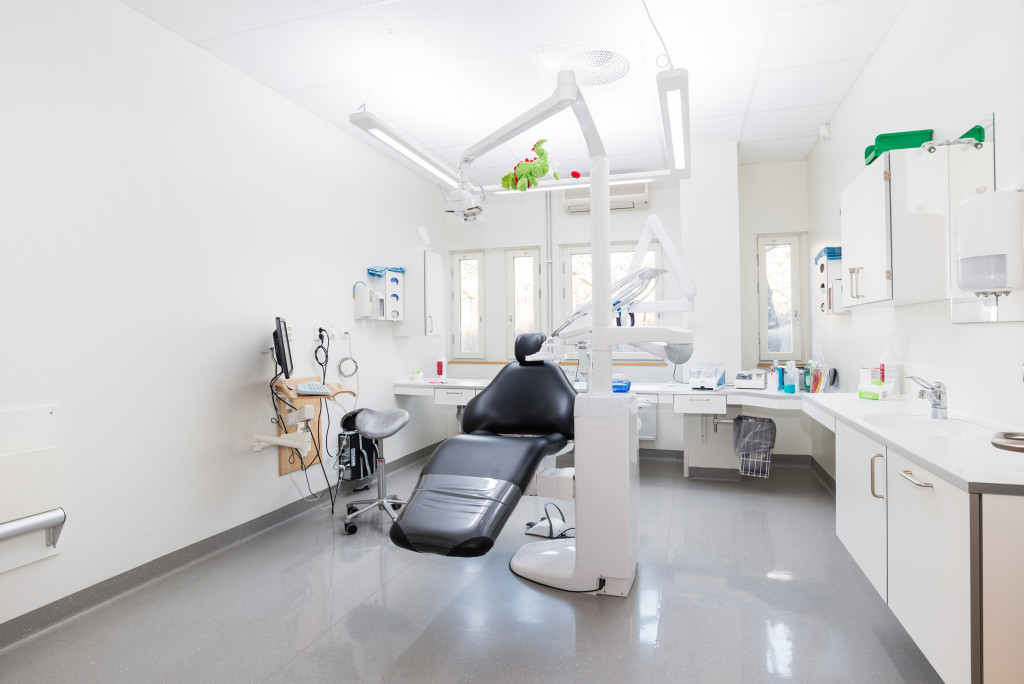
Damaged, weakened, or missing teeth can affect more than the appearance of your smile. They may also make eating uncomfortable and create challenges with everyday oral care. Restorative dentistry focuses on repairing or replacing teeth to help restore function, comfort, and overall oral health.
If you are searching for a restorative dentist Edmonton patients can rely on, understanding the common treatments and what to expect can help you make an informed decision about your dental care.
What Is Restorative Dentistry?
Restorative dentistry focuses on repairing teeth that have been affected by decay, damage, wear, or injury. Depending on the condition of the teeth, treatment may involve repairing existing tooth structure or replacing teeth that can no longer be restored.
Common restorative treatments may include:
- Dental fillings
- Dental crowns
- Dental bridges
- Dentures
- Dental implants
- Tooth-colored restorations
The appropriate treatment depends on the condition of the tooth, the patient’s oral health, and their individual goals.
When Might Restorative Dental Care Be Needed?
Several dental concerns can lead to the need for restorative treatment. Tooth decay is one of the most common reasons, but restorative care may also be considered after an injury or when teeth have become worn over time.
You may need to discuss restorative options with a dentist if you experience:
- A chipped or cracked tooth
- Significant tooth decay
- A weakened or fractured tooth
- Difficulty chewing
- A missing tooth
- Persistent sensitivity or discomfort
- Worn-down teeth
Early evaluation can help a dental professional determine whether a tooth can be repaired and what treatment may be appropriate.
Common Restorative Dental Treatments
Dental Fillings
Fillings are commonly used to repair teeth affected by cavities. The damaged portion of the tooth is removed, and the resulting area is filled with a suitable restorative material.
Tooth-colored fillings can be designed to blend with the surrounding tooth structure, making them a common option for visible areas of the mouth.
Dental Crowns
A dental crown is a restoration that covers and protects a weakened or significantly damaged tooth. Crowns may be considered when a filling alone cannot provide enough support.
A crown can help restore the tooth’s shape and function while providing additional protection.
Dental Bridges
Dental bridges can replace one or more missing teeth by using surrounding teeth or other supporting structures. A bridge can help restore chewing function and fill a visible gap in the smile.
A dental professional can evaluate the surrounding teeth and oral health before determining whether a bridge is appropriate.
Dental Implants
Dental implants are another option for replacing missing teeth. They use an implant fixture placed in the jawbone to support a dental restoration.
Implant treatment involves several factors, including bone health, gum health, overall oral health, and the patient’s individual circumstances. A dental consultation is necessary to determine suitability.
Dentures
Dentures can replace multiple missing teeth or, in some cases, an entire arch of teeth. They may be removable and can be designed to restore both function and appearance.
The type of denture recommended depends on the number of missing teeth and the patient’s specific needs.
Benefits of Restorative Dental Treatment
Restorative dentistry is primarily focused on improving oral function and protecting remaining tooth structure. Depending on the treatment, restoration may help:
- Improve chewing ability
- Repair damaged teeth
- Replace missing teeth
- Support better oral function
- Restore the appearance of a damaged smile
- Make everyday dental care easier
Restorative treatment is highly individualized, so results and treatment timelines can vary from one patient to another.
What Happens During a Restorative Dental Consultation?
A restorative appointment typically begins with an evaluation of your teeth and gums. The dentist may also recommend dental X-rays or other diagnostic methods when necessary.
The dental professional will consider factors such as:
- The condition of the affected tooth
- The health of surrounding teeth and gums
- Existing restorations
- Bite and chewing function
- Overall oral health
- Your treatment preferences
After the evaluation, the dentist can explain suitable treatment options and discuss the expected process, costs, and recovery requirements.
Choosing a Restorative Dentist in Edmonton
When looking for a restorative dentist Edmonton patients should consider a practice that takes time to understand their individual concerns and explains treatment options clearly.
It can be helpful to ask about the types of restorative treatments available, the expected treatment process, maintenance requirements, and alternatives that may be appropriate for your situation.
Cy Becker Dental can be a starting point for patients who want to discuss damaged, weakened, or missing teeth and explore potential restorative dental options.
Final Thoughts
Restorative dentistry can play an important role in repairing damaged teeth, replacing missing teeth, and supporting everyday oral function. From fillings and crowns to bridges, dentures, and implants, different treatments are available depending on each patient’s needs.
If you are searching for a restorative dentist Edmonton patients can consult, scheduling an evaluation with a dental professional can help you understand the condition of your teeth and the treatment options available for your smile.